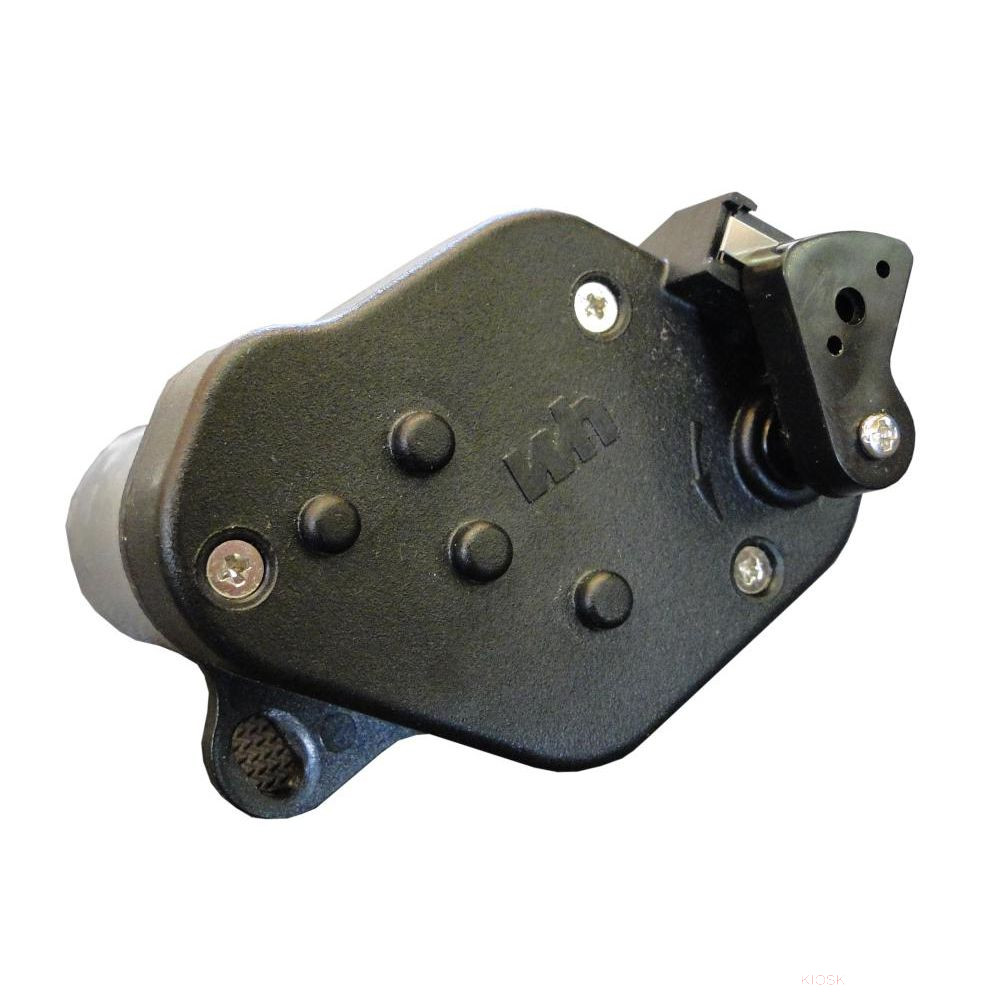
What are the technical characteristics of the WHEMR200 industrial coin validator module?
- item number: WHEMR200
- product name: industrial electronic coin validator module
- function: coin acceptance and identification for automated payments
- integration: typically built into systems via industrial interfaces such as MDB and ccTalk
- configuration: adjustable coin profiles for multiple currencies and tokens
- operating conditions: variants are usually selected to match indoor, sheltered or outdoor temperature ranges
- reliability: stable performance supported by periodic coin-path cleaning and inspection
When does an industrial coin validator make sense for continuous operation?
if your installation runs with high transaction volume, variable user behavior and long duty cycles, consistent coin identification directly impacts uptime. Industrial designs are commonly preferred because their mechanical guidance and sensor-based measurement remain more repeatable under load, helping maintain steady acceptance behavior and reducing avoidable reject events.
How do industrial interfaces and configuration support system integration?
Using a consistent communication layer across the cash-handling chain shortens commissioning time and simplifies troubleshooting later. Modules in the WHEMR200 class are typically deployed with industrial buses so your controller, logic and accessories can be aligned in a predictable way. Configurable coin profiles also let you match local currency sets or tokens quickly, while keeping parameter changes documented for multi-site rollouts.
What should you verify before selecting a coin validator?
Selection criteria / checklist
- interface match: MDB, ccTalk or the required communication mode
- mechanical fit: entry geometry, mounting points and coin-path alignment
- coin set: diameter/thickness ranges, currency mix and token handling needs
- environment: temperature range, dust exposure, humidity swings and vibration
- serviceability: quick removal/installation and planned spare stock
- operations: cleaning cycle, sensor-area checks and cable integrity
How do quality, local technical support and routine maintenance protect uptime?
coin handling is sensitive to contamination: dust and residue in the coin path can degrade sensing stability over time. A simple routine—cleaning the coin path, keeping sensor areas free of dust and verifying mechanical parts—helps sustain consistent acceptance. Local technical support and service speed up diagnostics, spare part replacement and commissioning guidance, which is especially valuable when you operate multiple locations and want repeatable maintenance procedures.
Which procurement and financing options help your project delivery?
- stock availability and scheduled arrivals aligned to rollout milestones
- selectable shipping methods, customs handling and freight coordination
- post-payment options and invoicing in foreign currency for predictable budgeting
- project-tailored quotations, including test samples and volume steps
How to build an interest list and send it at the end of your visit?
If you find additional components that could be useful beyond the current task, add them to your interest list (cart) while browsing. At the end of the visit, send one consolidated list so compatibility checks, delivery options and volume planning can be handled quickly. This approach is effective when you want to standardize several machines and prefer one coordinated response.
FAQ
Why are industrial coin validators preferred for high transaction volume?
They tend to deliver more repeatable identification and more stable mechanical guidance, supporting fewer avoidable rejects and fewer downtime events caused by misfeeds.
How does an industrial interface help integration?
It enables consistent communication and faster troubleshooting between the controller and the cash-handling chain, simplifying commissioning and service workflows.
What capabilities are commonly missing from entry-level devices?
You typically gain wider configuration, better diagnostics, more durable mechanics and a coin-path design sized for heavier duty cycles.
What routine maintenance is recommended?
Clean the coin path periodically, keep sensor areas free of dust and check mechanical parts and cabling so acceptance remains stable over time.