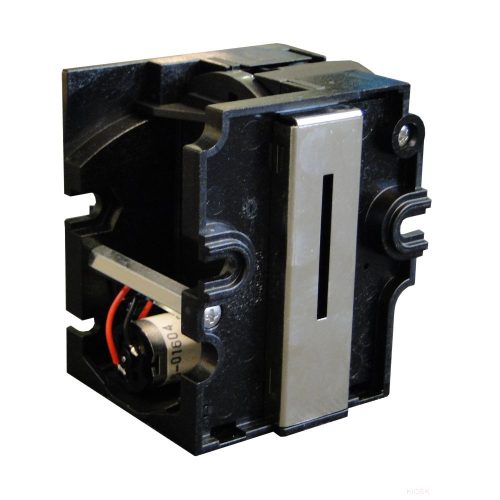
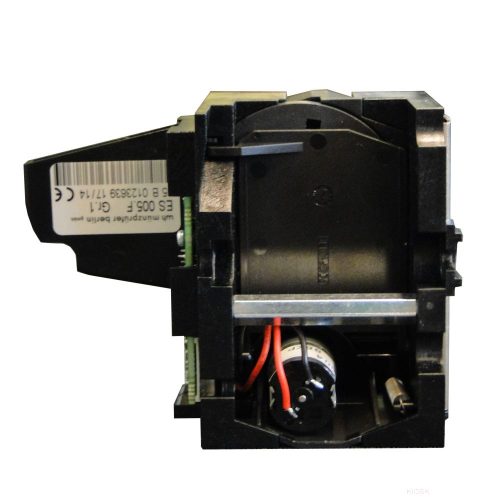
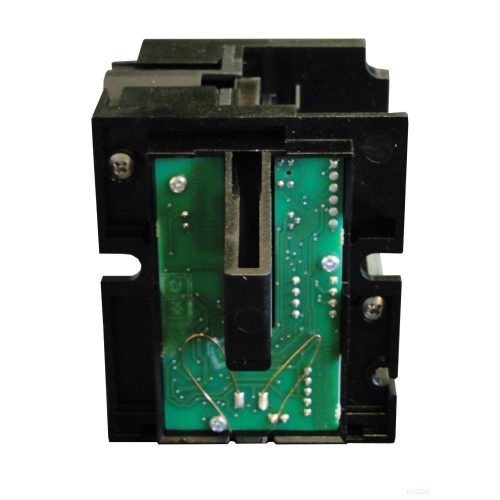
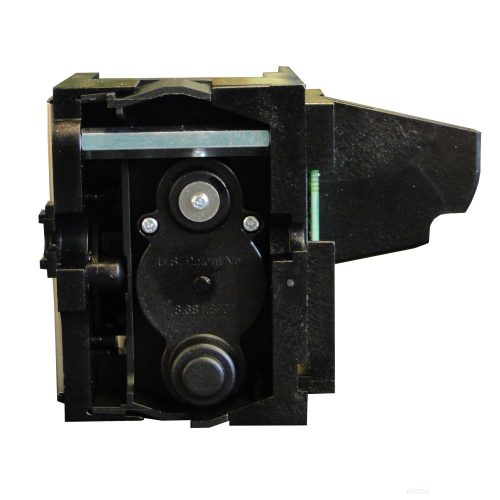
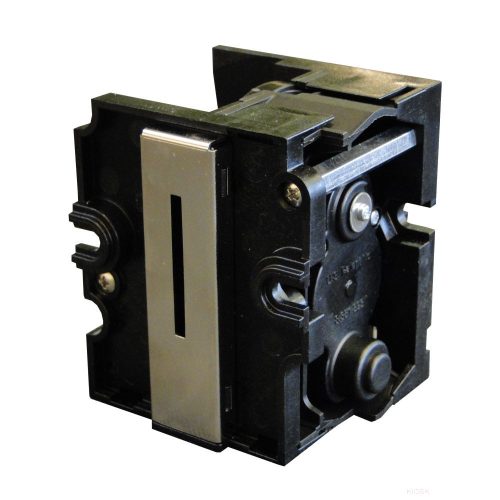
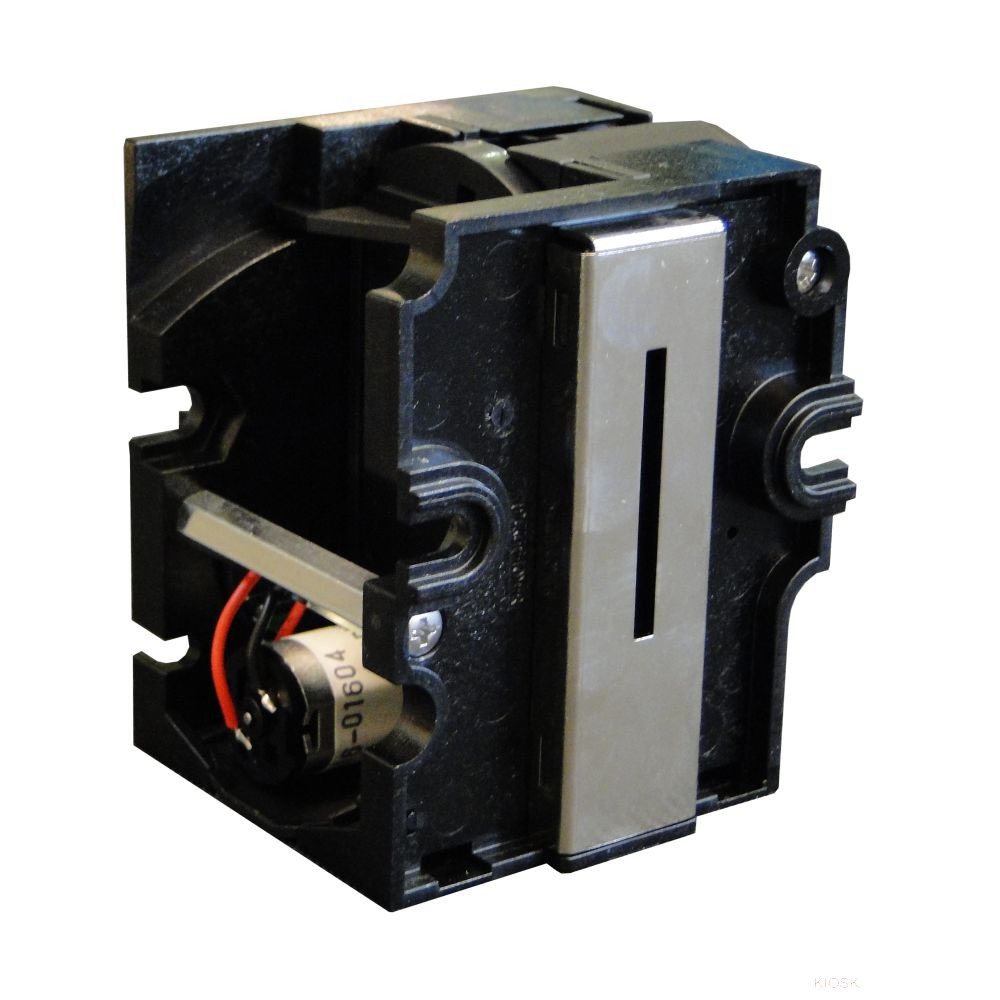
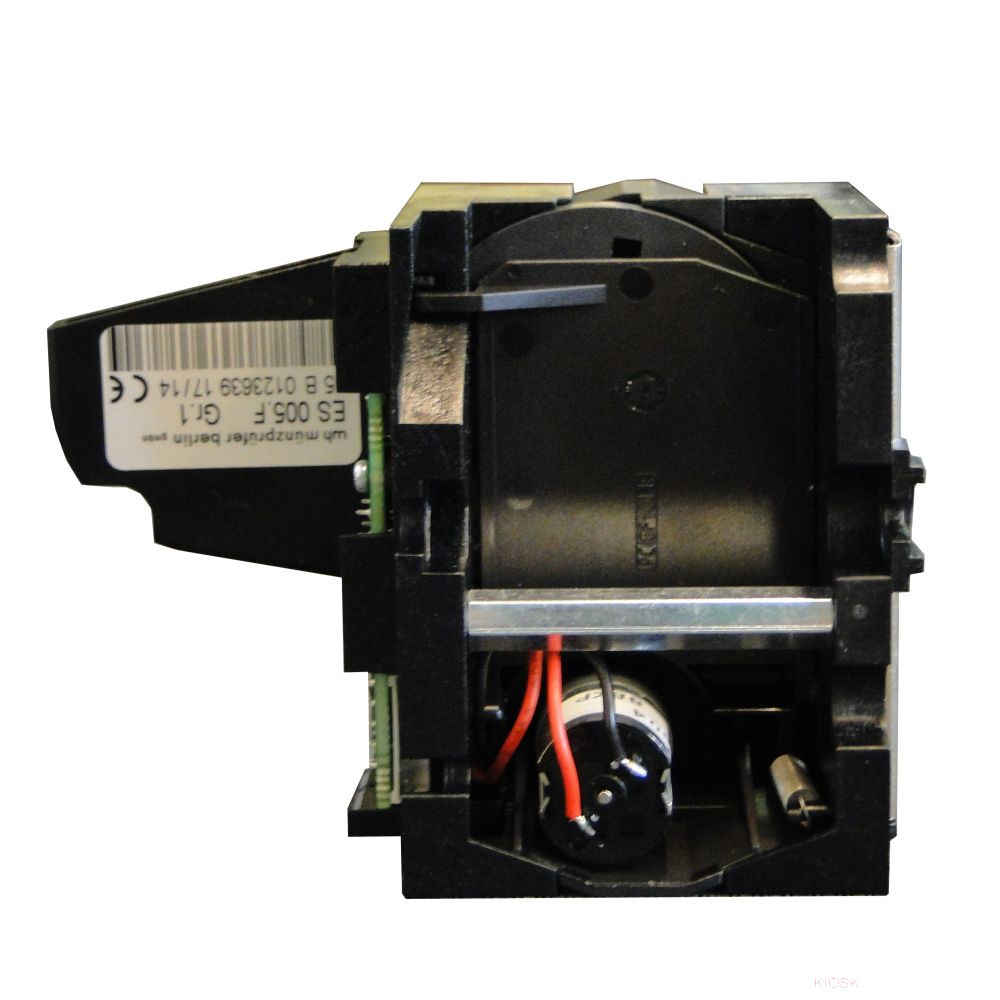
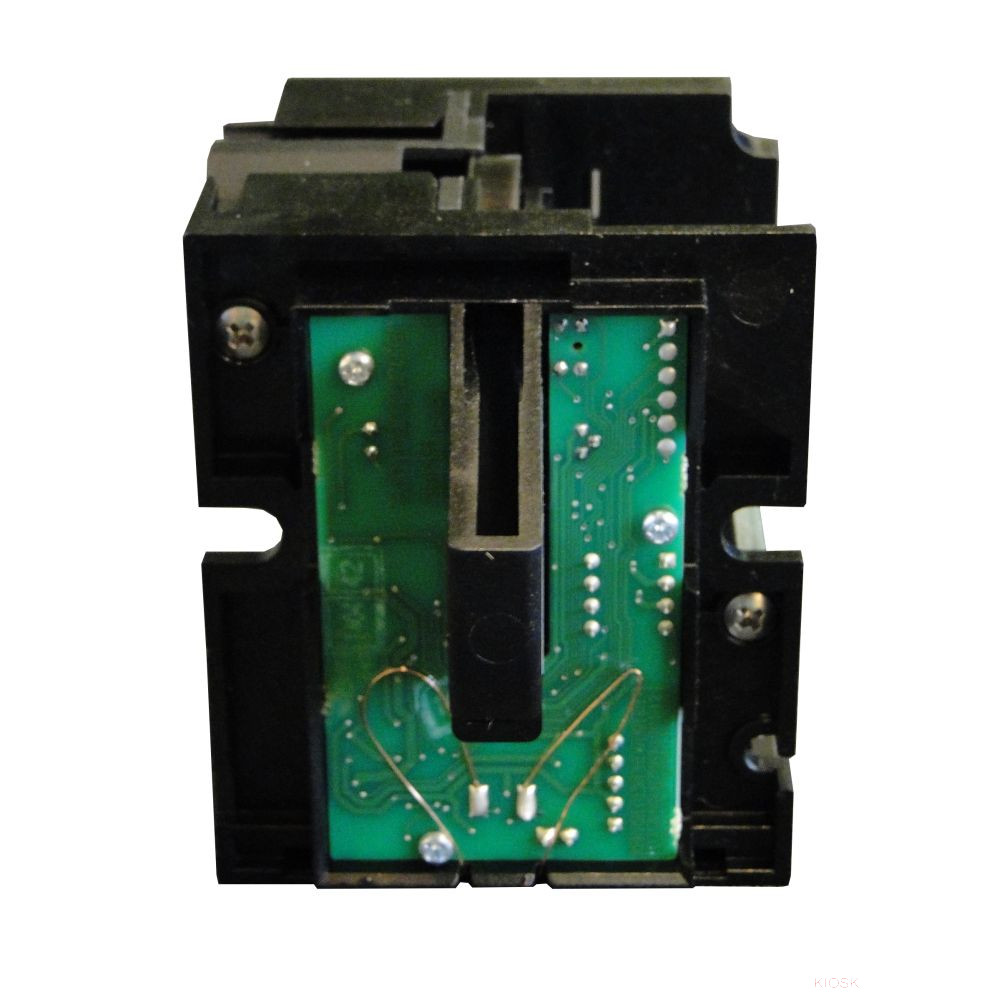
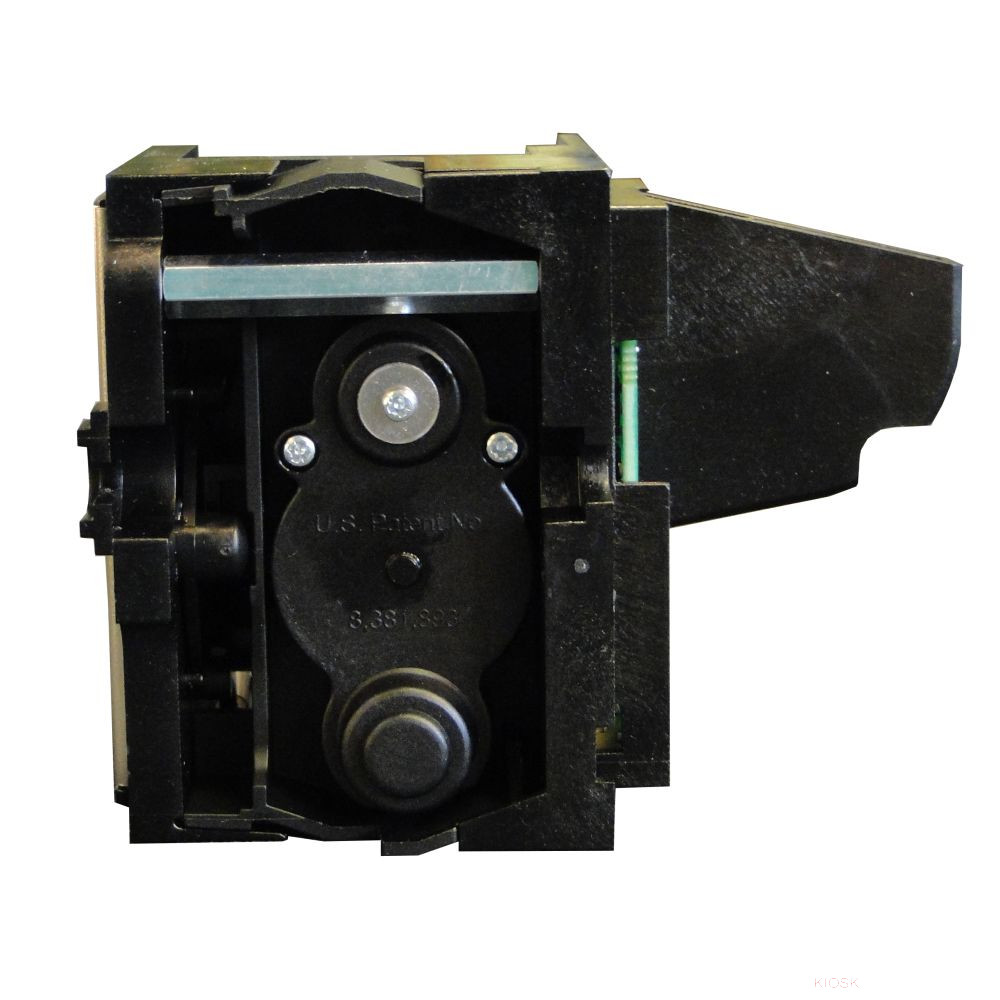
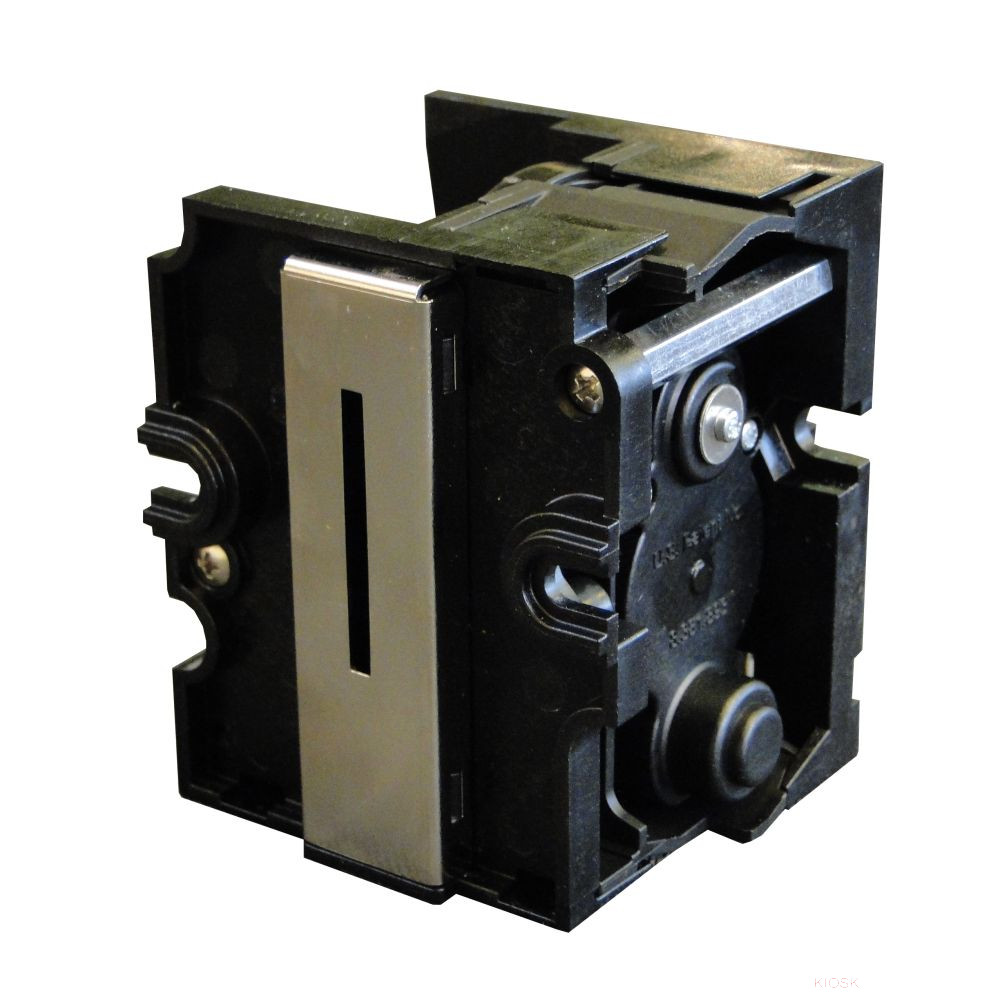
What are the technical specs of the ES005F motorized coin slot shutter?
- motorized, controllable latch for closing a coin entry slot
- security function against foreign objects and external interference
- self-cleaning behavior to support a stable coin path
- coin insertion flow control via host logic
- power option: 12 V DC or 24 V DC (version-dependent)
- industrial integration: rigid mounting and service access can be planned
Why add a motorized shutter to a coin entry slot?
In cash-enabled payment points, the coin entry is one of the most exposed surfaces for tampering and contamination. A motorized shutter lets you keep the slot closed until the system is ready to accept coins, which helps reduce foreign-object incidents and improves operational control. In higher-traffic installations, this kind of gating can also keep user behavior from overwhelming the cash-handling chain.
How does self-cleaning behavior support higher uptime?
Self-cleaning mechanics are designed to reduce the impact of daily dust and small debris that can otherwise cause sticking. That is valuable when you run unattended equipment and want consistent transaction flow with fewer field interventions. Cleaner slot behavior typically means fewer service calls and a smoother user experience, especially at busy sites.
When is coin insertion speed control useful?
If your backend chain includes coin validation, sorting or payout, fast uncontrolled insertion can trigger jams or false error events. A controllable shutter helps you pace insertion so the controller can process status signals and mechanical movement in a predictable sequence. This is particularly useful in peak-load scenarios where different user habits and high throughput stress the payment module.
Typical use cases
- parking pay stations and unattended payment points
- car wash and service terminals with cash option
- ticketing and access systems with coin add-on
- installations where slot protection and transaction control are critical
Selection criteria: what should you check before procurement?
- power: confirm 12 V DC or 24 V DC compatibility with your PSU
- mechanical fit: slot geometry, mounting points and front panel integration
- control logic: open/close signals, safety states and fail-safe behavior
- site conditions: dust, humidity, vandalism exposure and cleaning access
- serviceability: fast access for cleaning, replacement and cabling checks
Quality, local support and financing options
Reliable operation is a system outcome: correct mounting, stable power discipline and planned maintenance all matter. Choose components with accessible technical help and supply options that match your rollout timeline. This approach reduces unplanned downtime and keeps the cash interface consistent across locations.
- local technical support and service for diagnostics, swaps and setup
- planned maintenance: cleaning, inspection, mounting and cable checks
- operating discipline: dust protection, rigid mounting and stable power
- stock availability and scheduled inbound deliveries for phased rollouts
- flexible shipping modes, customs handling and freight forwarding
- post-payment terms and invoicing in foreign currency where needed
- project-specific quotations and logistics support
CTA: add it to your interest list
If the ES005F could be useful beyond your current build, add it to your interest list (cart) while you browse. It’s smart to include related items too—mounting parts, cabling components or protective add-ons. At the end of your visit, send the list and we’ll help you shape a project-ready package with delivery timing aligned to your plan.
FAQ
What does a controllable coin slot shutter help with?
It keeps the slot closed until the system is ready, which reduces foreign-object incidents and improves transaction control.
Why does self-cleaning behavior matter in daily operation?
It reduces sticking from dust and small debris, supporting steadier transactions and fewer field interventions.
What capabilities are typical for industrial slot protection compared to consumer-grade parts?
You usually get stronger mechanics, better service access and higher-duty operation suitable for busy unattended sites.
What maintenance should you plan?
Schedule regular cleaning and inspections, including mounting integrity and cabling checks; adjust frequency to site dust and throughput.