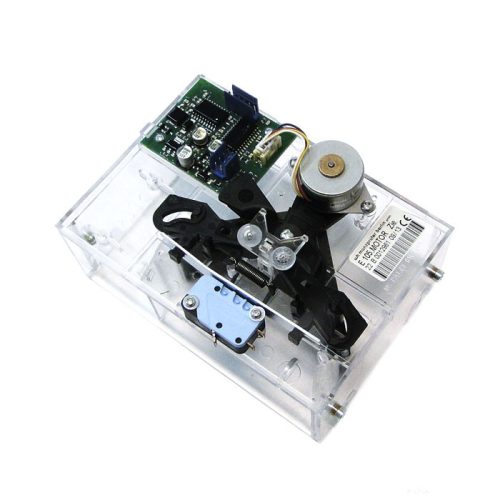
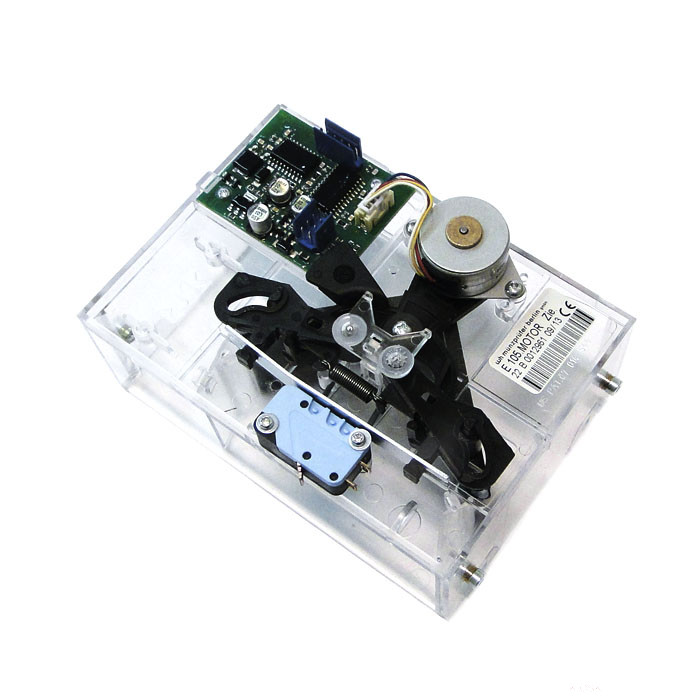
What are the E 101 12V escrow with motor (E105motor) technical specifications?
- product: E 101 12V escrow with motor
- item number: E105motor
- function: escrow (transitional magazine) with temporary holding and return on interruption
- capacity: 20–50 coins, depending on coin size
- dimensions: 89 × 126 × 64 mm
- power input: 12 or 24 V DC
- current draw: 100–800 ma, depending on type/load
- operating temperature: -20 °C to +70 °C
- control/interface: E105 TTL control, motorised actuation
- weight: 225 g/pcs
How does an escrow unit work in a payment flow?
An escrow unit keeps identified coins in a controlled temporary magazine instead of dropping them immediately into final storage. This gives you a clear decision point: once the transaction is confirmed, the magazine is released into the cashbox path; if the process is cancelled or interrupted, coins can be returned to the user through the payout slot. This structure supports traceable cash handling and helps reduce disputes, because the system can reliably “commit” or “return” coin deposits based on transaction outcome.
When is motorised latch actuation the right choice?
Motorised actuation is typically preferred where interruptions are common and consistent latch movement matters, or where mechanical load is continuous. The wide operating range (-20 °C to +70 °C) supports stable behaviour under varying site conditions, reducing the risk of stoppages and unplanned service visits.
Selection criteria: what should you check before ordering?
- coin load: peak coin volume and how often transactions are cancelled
- capacity target: whether 20–50 coins covers typical baskets for your use case
- mechanical space: 89 × 126 × 64 mm envelope and practical access for service
- power planning: 12/24 V DC availability and stable wiring
- control: TTL signalling compatibility with your controller electronics
- environment: temperature, dust exposure, vibration and mounting rigidity
- service workflow: quick access to the coin path and a swap strategy for uptime
How do you keep uptime high: quality, local support and maintenance
High availability in cash handling comes from a combination of component quality and disciplined operation. Plan for routine inspection and cleaning of the coin path and latch area, and design the installation so technicians can access the unit quickly. Local technical support and a structured service process help you shorten recovery time when you need diagnostics, stress testing or a fast module swap.
- preventive maintenance: scheduled cleaning and visual checks around the coin path and latch
- operating discipline: keep temperature, dust and power conditions within recommendations
- local service: diagnostics and fast replacement workflow to minimise downtime
- inventory planning: local stock and scheduled inbound deliveries aligned to rollout phases
- shipping and customs: selectable shipping modes plus customs handling and forwarding for sensitive parts
- financial options: post-payment, multi-currency invoicing and project-specific quotations for predictable cash flow
Add relevant components to your interest list
If you are comparing options, add not only the item for today’s build but also components that could fit future iterations. Collect your selections into an interest list (cart) and send it at the end of your visit—this speeds up technical alignment, shipping choices and project-specific commercial terms.
FAQ
Why does an escrow magazine matter for controlled cash handling?
It allows identified coins to be committed only after confirmation, and returned on interruption. this reduces disputes and supports a predictable transaction outcome.
What makes such a unit suitable for industrial load?
Typically durable mechanics, stable control logic, consistent latch movement and a wide operating temperature range. these factors help maintain short transaction time and high availability.
What should you prepare to speed up commissioning?
Confirm TTL control compatibility, plan stable 12/24 V DC power, and ensure easy access for installation and cleaning. run test scenarios for accept, commit and cancel/interrupt cases.
How can you reduce the chance of downtime in daily operation?
Use a routine for cleaning and inspection, keep operating conditions stable, and implement a quick swap process. local service and parts availability shorten recovery time.