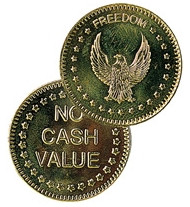
What are the technical characteristics of the 80515003 token?
- item number: 80515003
- nominal size: 25 mm diameter × 1.5 mm thickness
- material: brass (70/30 alloy)
- marking: “no cash value” style identification text for clear separation
- format: round token with mechanical tolerances suitable for industrial acceptance paths
Why choose tokens for high-traffic parking payment points?
tokens give you control over the business logic: issuance, redemption and routing are aligned to your rules, while the end user gets a fast, simple interaction. in demanding environments, consistent dimensions and durable material help the acceptance path stay stable, which lowers the likelihood of misfeeds and unplanned service calls. this is particularly valuable when uptime and predictable throughput directly affect revenue and customer flow.
Where does the 80515003 token fit best?
- parking payment machines and barrier access: time-based or entitlement-based entry models
- service and wash machines: fast internal settlement with a clearly defined unit
- access points: voucher-like entry for staff, tenants or campaigns
- sites with controlled usage: internal credit, bonus or prepaid flows
What should you check before selecting a token?
Selection criteria / checklist
- size compatibility with the acceptance mechanism (diameter, thickness, edge profile)
- material and surface: wear resistance, corrosion tolerance, easy cleaning
- clear visual identification: text, pattern, and easy differentiation from circulating coins
- operational plan: replenishment, stock level, packaging unit, handling procedure
- system fit: alignment with your acceptance and routing logic
- maintenance routine: scheduled cleaning and inspection based on dust and usage
How do quality, service and proper operating conditions protect uptime?
In parking and payment points, uptime is business-critical. beyond token quality, you benefit from local technical support, predictable service response and a clear maintenance plan. routine cleaning of the acceptance path, inspection of wear parts and periodic validation of settings keep the token flow consistent and reduce unexpected stops.
- local technical support: commissioning help, troubleshooting, spare part availability
- preventive maintenance: checklist-driven cleaning and inspection cycles
- operating conditions: control of dust, humidity, temperature and mechanical stress
Which procurement and financial options help your project schedule?
- planned stock and availability to keep operations continuous
- scheduled arrivals aligned to installation milestones
- flexible shipping, customs handling and logistics support
- post-payment terms and multi-currency invoicing for finance flexibility
- project-specific quotations to match your complete requirement set
CTA: add relevant items to your interest list and send it at the end
If multiple components and accessories may be useful beyond your current project, add them to your interest list (cart) as you browse. at the end of your visit you can send the full list in one go, so you get faster feedback on compatibility, delivery options and a tailored quotation.
FAQ: 80515003 token and industrial token systems
How does an industrial token differ from simple, general-purpose solutions?
Industrial tokens rely on consistent dimensions and durable materials to support stable mechanical travel in the acceptance path. that typically reduces mis-Insertions and jams, and makes handling procedures easier to standardise across sites.
How can tokens improve throughput in parking workflows?
Token interactions are fast and easy to understand: clear insertion and immediate processing. this matters during peak hours when reducing stops and queues protects customer flow.
What makes token operation predictable over the long term?
Stable tolerances, wear-resistant material and a routine cleaning plan work together. keeping the acceptance path clean and checking wear parts on schedule helps reduce unplanned downtime.
Which capabilities are commonly available in industrial token handling that casual designs often miss?
Industrial setups typically offer stronger manipulation resistance, tighter mechanical fit and multi-path routing (accept, reject, collect). serviceability and documentation are also planned at an industrial level.