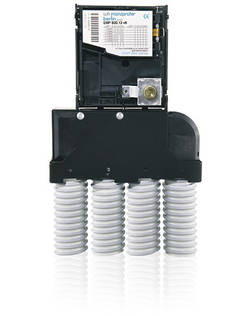
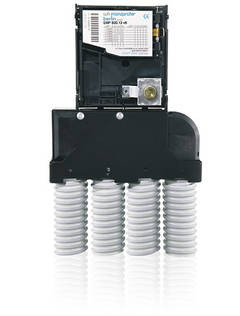
What are the technical characteristics of the 3-way coin sorter for EMP800/850/890 coin selectors?
- power supply: 12–24 V DC
- coin reference (as provided): diameter 31.5 mm; thickness 2.6 mm
- control concept: sorting driven by the coin selector output signals via parallel lines
- interface environment: compatible setups typically use parallel / usb / cctalk coin selector variants
- operating conditions: indoor 10–40 °C
- typical use: vending-style payment equipment and unattended cash acceptance points
- weight: approx. 700 g/unit
Why use a 3-way coin sorter in a cash-handling design?
A 3-way sorter helps you route coins after validation into distinct destinations. This makes it easier to separate normal collection from return or special handling, keep the coin path organised, and reduce disputes caused by mixed routing. In practice, clean routing supports shorter service interventions and helps you maintain stable transaction behaviour over long operating periods.
How does the module fit into the coin selector control logic?
According to the product description, sorting follows the decision coming from the coin selector’s output signals. That approach keeps the routing aligned with the validator’s denomination/authenticity logic and avoids ad‑hoc wiring. When planning the integration, document which interface variant you use (parallel, usb, cctalk) and confirm which output lines are responsible for routing in your controller and harness design.
Selection criteria: how to choose the right sorter for your project
- routing goal: do you need three destinations (collection / return / separate channel), or more?
- coin selector compatibility: which interface variant do you deploy, and which output signals drive sorting?
- mechanical integration: available space, coin path geometry, mounting points and service access
- environment: indoor temperature band, dust load, vibration, and stable fixing
- service strategy: quick module swap, easy inspection, and predictable cleaning intervals
- lifecycle support: documentation, spare parts availability, and access to local technical assistance
Why quality, maintenance discipline and local technical support matter
Coin routing hardware runs in the most exposed part of a payment machine: it sees dust, wear, vibration and continuous cycles. Reliability depends on consistent preventive care as much as on component quality. When you design for service access and keep the operating conditions within specification, you reduce coin jams, shorten downtime and protect your customer experience.
- schedule preventive cleaning and visual checks of the coin path, mounts and sensors
- ensure stable dc power and keep the indoor environment within the intended temperature range
- design the layout for service access so a technician can reach the module quickly
- use documentation and local experts for integration questions, commissioning and diagnostics
Supply, logistics and financing options that support rollout stability
Hardware projects succeed when delivery timing, availability and payment terms match the deployment plan. Treat cash-handling modules as critical path items: align procurement with build milestones and minimise unexpected delays.
- local and european stock plus scheduled inbound deliveries aligned to production phases
- selectable shipping methods to balance speed, cost and handling requirements
- customs clearance and freight coordination to reduce administrative risk
- post-payment options and multi-currency invoicing to keep budgeting transparent
- project-tailored quotations that reflect quantity, timing and configuration
CTA: build your interest list for current and future needs
If the 3-way coin sorter for EMP800/850/890 coin selectors is relevant to your build, add it to your interest list (cart) together with any other components you may need later—coin validators, entry bezels, interface modules or service items. At the end of your visit, send the list so we can respond in one round with technical guidance, delivery options and project-based terms.
FAQ
What do industrial coin routing modules offer that consumer-grade devices usually miss?
They are typically designed for continuous, high-cycle operation with stable mounting, consistent coin path geometry and integration-friendly control options, helping the controller handle status and fault situations more predictably.
How can I reduce coin jams and incorrect routing in daily operation?
Keep the coin path clean, check mounts and wear surfaces, and install the module so the coin path is smooth and well aligned. stable power and a controlled indoor environment also contribute to consistent behaviour.
When is a 3-way setup sufficient, and when do I need more outputs?
Three routes are often enough for collection plus return and one separate channel. if you need to distribute multiple denominations into multiple storage or payout units, consider a multi-way routing solution.
What is the practical value of local service and documentation for long-term uptime?
Faster diagnostics, shorter downtime and more predictable spare-part supply. it also streamlines commissioning, configuration and service workflows, which improves overall availability.