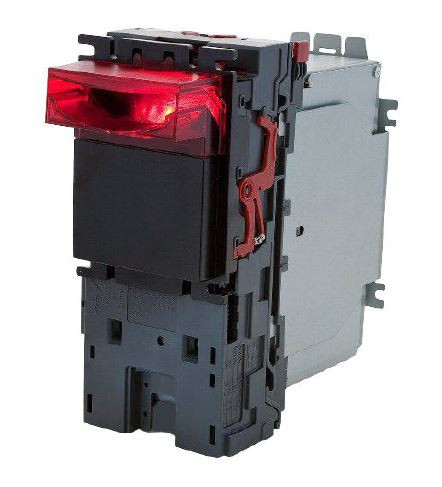
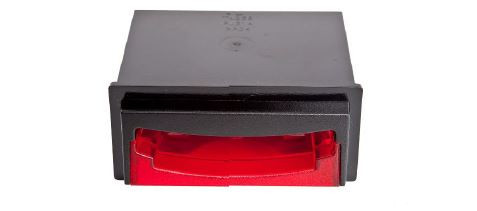
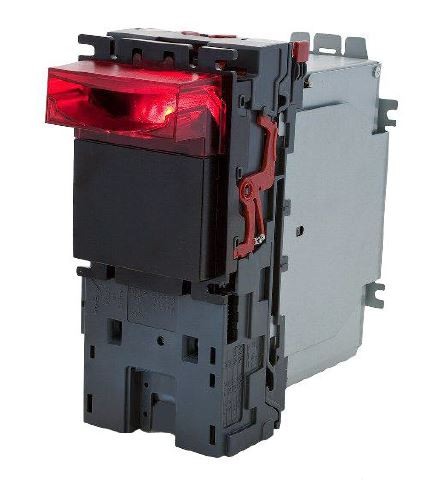
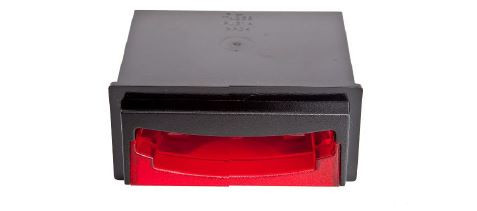
What are the technical specs of the nv9 bill acceptor with 600 notes stacker (smileynv-9c-600ssp)?
- item number: smileynv-9c-600ssp
- cashbox / stacker capacity: 600 notes
- interfaces and protocols: cctalk, ssp, mdb, plus common industrial parallel / pulse options
- single-note escrow for accept-or-return decisions
- multi-currency support with four-way note orientation reading
- typical acceptance rate for multi-currency notes: 99.8%
- fast credit timing: typically under 3 seconds
- operating conditions: indoor, 10–40 °c
- weight: approx. 2.6 kg per unit
- kevlar-lined belts, advanced fluorescence detection, improved anti-fishing protection
- mounting options: horizontal mounting; alternative bezel concepts for vending designs
Where should you use this bill validator?
use the nv9 bill acceptor with 600 notes stacker (smileynv-9c-600ssp) when you need consistent, unattended cash acceptance with high uptime. common placements include vending equipment, parking payment stations, ticketing machines, access payment points, and amusement hardware. the 600-note capacity reduces emptying frequency, while fast validation helps keep queues short and the user flow smooth.
How do sensing and fraud protection improve transaction reliability?
anti-fishing mechanics help prevent stringing attempts, while fluorescence-based sensing supports detection of hidden security marks that many counterfeit notes fail. stable note transport and controlled belt guidance reduce jams, which directly supports availability and lowers service calls in high-traffic locations.
What should you plan for during integration?
- pick the right protocol (for example cctalk or ssp) and confirm controller-side support early
- define your escrow logic: when to accept, when to return, and how to handle exceptions
- validate mechanical fit: mounting direction, bezel alignment, and service access to the note path
- set a maintenance routine: cleaning, sensor checks, note-path inspection, and wear-part replacement
Selection criteria: a practical checklist
- currencies to be accepted and how you will manage dataset updates
- daily transaction volume and required cashbox capacity (600 notes)
- controller compatibility: cctalk / ssp / mdb
- environment limits: indoor 10–40 °c, dust exposure, and airflow in the enclosure
- security needs: anti-fishing, fluorescence sensing, escrow flow
- serviceability: access for cleaning, quick module swap, and clear technical documentation
Why do quality, maintenance, and local technical support matter?
an industrial validator performs best when the note path stays clean and the installation conditions are kept within the recommended ranges. contamination, unstable power, or neglected cleaning can increase misreads and jams. with local technical support, troubleshooting is faster, integration is smoother, and long-term availability is easier to protect.
- scheduled preventive cleaning and visual inspection aligned to real traffic
- power and environment discipline to keep sensing stable and repeatable
- firmware and dataset updates to stay resilient against new counterfeiting patterns
- service involvement during commissioning, tuning, and fault isolation
Supply and financing options that keep your rollout predictable
- stock availability and scheduled inbound deliveries to match your build plan
- flexible shipping methods, customs clearance, and freight handling for sensitive electronics
- post-payment terms and invoicing in foreign currencies for easier budgeting
- project-specific quotations, sample units, and pilot quantities to reduce risk before scale
CTA: save products to your interest list and send it at the end
even if you are not finalizing a purchase today, add the components that may fit your next build to your interest list. you will leave with a clear, shareable list, and we can quickly align on technical parameters, delivery scheduling, and commercial terms. before you finish your visit, send the list so you can receive a proposal matched to your project.
FAQ
What do industrial validators typically add compared to entry-level devices?
you usually get higher acceptance performance, stronger anti-fraud measures (such as anti-fishing), escrow control, and ongoing firmware/dataset update capability for stable operation over time.
What operating conditions help keep acceptance stable?
use a controlled indoor environment, keep dust exposure low, and maintain steady power. routine cleaning of the note path and sensors is one of the most effective ways to reduce jams and misreads.
Why is single-note escrow useful?
escrow lets you validate first and then accept or return the note based on your business logic. it reduces disputed transactions and helps you handle exceptions cleanly.
How can you reduce downtime in high-traffic locations?
combine scheduled cleaning with update discipline, ensure easy service access in the enclosure design, and choose capacity that matches your cash collection cycle. local service support also shortens recovery time.