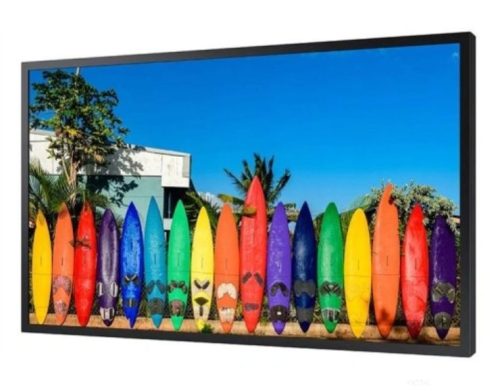
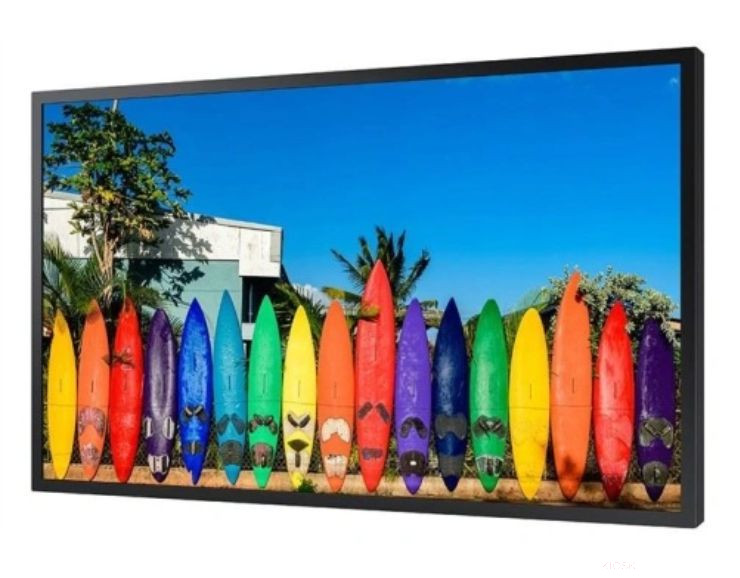
What are the technical specifications of the 43" high brightness lcd, 1500nits, open frame (RS43OF1500)?
- display size: 43" (open-frame, built-in design)
- brightness: 1500 nits (typ.) – sunlight readable
- resolution: FULL HD 1920x1080 pixels
- backlight: LED backlight
- viewing angle: extra wide
- inputs: VGA / DVI / HDMI
- LCD interface: HDMI
- auto brightness control and auto temperature control
- chassis: black painted metal chassis
- temperature range: -10 – 50°C
- operating conditions: IP65 protection
- use case: digital signage
- active area: 32"–43" (data as listed on the page)
- weight: 4.8 kg/pcs
- accessories: VGA cable x1, EU AC power cable x1
- RoHS compliant
- quick and easy integrations for client solutions
Why choose a 1500-nit sunlight readable display for digital signage?
In bright environments, standard panels can look washed out. A high-brightness screen improves text and graphics legibility, so messages are easier to absorb at a glance. With led backlight and consistent luminance, your content remains clearer across changing light conditions, and the system can be tuned for predictable visibility targets. Auto brightness control also helps balance readability and energy use, which is useful when operating hours are long and the display is part of a larger installed base.
How do you integrate the RS43OF1500 open-frame display into an existing system?
Connectivity is straightforward thanks to VGA, DVI and HDMI inputs, with hdmi listed as the LCD interface. This makes it easy to pair the display with industrial pcs, media players and test sources during commissioning. The open-frame design and metal chassis simplify mechanical mounting behind a custom bezel or protective cover, while keeping service access practical.
Integration checklist
- plan cable routing and service access for signal and power connections.
- ensure proper airflow and thermal design around the display assembly.
- set the source output to native full hd 1920x1080 for the sharpest image.
Selection criteria: what should you check before selecting a 43" open-frame industrial display?
- brightness and legibility: 1500 nits is a strong fit for high ambient light.
- resolution: FULL HD supports detailed layouts and crisp typography.
- interfaces: VGA/DVI/HDMI compatibility with your controller hardware.
- protection: IP65 is useful when dust or splashes are a concern (with proper integration).
- temperature range: -10–50°C supports variable environments.
- mechanical integration: open-frame mounting points and metal chassis.
- serviceability: access to connectors and mounting hardware for maintenance.
CTA: build your interest list and send it at the end of your visit
If several components might be useful beyond your current task, add them to your interest list (cart) while you browse. Sending the list helps align technical requirements, integration constraints and delivery options faster, so you get a proposal that matches your rollout plan.
- add alternative sizes or brightness levels for quick comparison.
- include accessories such as cables or mounting parts to avoid missing items later.
- use the list to speed up requirement matching and lead time planning.
Why do quality, local technical support and preventive maintenance matter?
For built-in displays, long-term stability is driven by consistent image quality, reliable electronics and predictable service access. Following recommended operating conditions reduces unexpected downtime and helps keep lifecycle costs under control.
- perform routine cleaning and visual inspections around connectors, mounts and ventilation paths.
- keep temperature and humidity within target ranges and provide stable power conditions.
- use local technical support for mechanical design, thermal planning and service access decisions.
- schedule preventive maintenance so brightness and performance remain consistent over time.
Supply, logistics and financing options for industrial projects
Availability and financial flexibility can be as critical as specifications. Planning supply and delivery reduces schedule risk and keeps installation phases aligned with your deployment milestones.
- stock availability and scheduled inbound deliveries for phased rollouts.
- selectable shipping methods to match deadlines and handling requirements.
- customs clearance and freight forwarding support for sensitive electronics.
- post-payment options to support cash-flow planning.
- invoicing in foreign currency for simpler international accounting.
- project-tailored quotations based on quantities, timing and accessories.
FAQ
What makes an industrial open-frame display different from a general-purpose monitor?
Open-frame designs support custom mechanical integration with mounting points and a metal chassis, while high brightness improves legibility in strong ambient light.
Why is IP65 protection useful for a built-in display?
IP65 helps resist dust ingress and water splashes when integrated correctly, supporting a cleaner and more stable environment around the panel.
Why are auto brightness and auto temperature control important?
Automatic control supports more consistent image output and stable operation under changing light and thermal load, improving predictability over long operating hours.
How do vga/dvi/hdmi inputs help during commissioning?
Multiple input options simplify compatibility checks and on-site testing, reducing integration friction with different controllers and test sources.