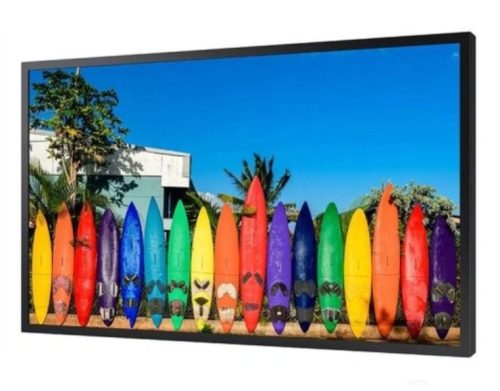
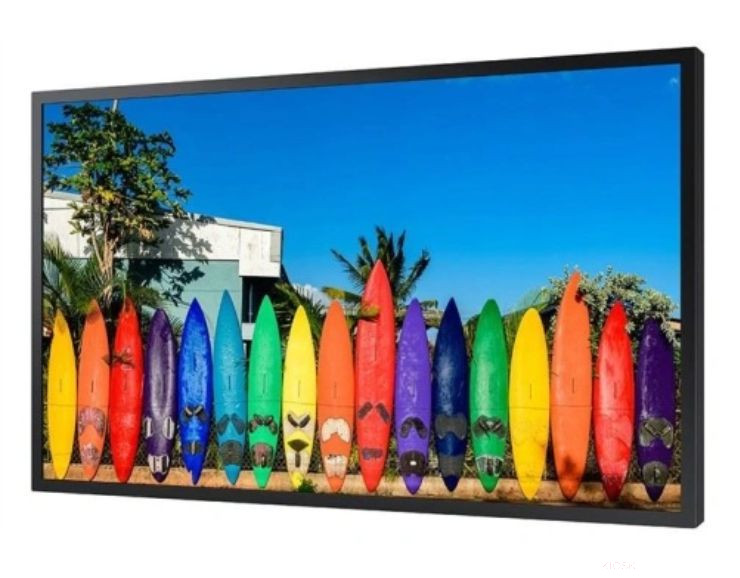
What are the technical specifications of the 43" high brightness display, 1000 nits, open frame built-in (RS43OF1000)?
- Display size: 43" TFT-LCD, open frame, built-in monitor
- Backlight: LED backlight
- Brightness: 1000 nits (sunlight readable display, typ.)
- Resolution: Full HD 1920×1080 pixels
- Viewing angle: extra wide
- Inputs: VGA / DVI / HDMI
- LCD interface: HDMI
- Design: OPEN FRAME, black metal housing
- Automatic brightness and temperature control
- Operating temperature: 10–50°C
- Protection: IP65
- Compliance: RoHS
- Use case: DIGITAL SIGNAGE, customer information
- Active area: 32"–43"
- Weight: 4.8 kg/pc
- Included accessories: VGA cable, power cable
- Manufacturer: OTHER
Where does a 43" high-brightness open-frame display fit best?
The 43" high brightness display, 1000 nits, open frame built-in (RS43OF1000) is built for embedded installations where readability matters: customer-facing information points, window-facing signage, and high-traffic locations with strong ambient light. The 1000 nits panel and Full HD resolution help keep visuals crisp, while the open-frame format makes mechanical integration easier in custom enclosures. VGA/DVI/HDMI connectivity gives flexibility for legacy and modern video sources without complicated adapters.
How does it support dependable 24/7 visual performance?
- Automatic brightness control can reduce glare and improve legibility across changing lighting conditions.
- Automatic temperature control helps keep the panel stable under heat load during long operating cycles.
- Extra-wide viewing angles keep content readable from multiple approach directions.
- IP65 protection can improve resilience where dust, cleaning, or occasional splashes are expected.
Selection criteria checklist for procurement and engineering
- Ambient light: do you truly need 1000 nits for sunlight-readable content?
- Content format: is Full HD 1920×1080 aligned with your media workflow and viewing distance?
- Video source: which output do you use (HDMI, DVI, VGA), and what cable length is realistic?
- Environment: does 10–50°C and IP65 match the installation conditions and cleaning routines?
- Mechanical design: do you have a mounting concept, front glass plan, and adequate ventilation?
- Serviceability: can you access connectors and replace the unit quickly if needed?
Why do quality, maintenance and local technical support matter?
Long-term reliability is strongly influenced by correct installation conditions and consistent preventive checks. Regular inspection helps you catch connector stress, contamination and cooling issues early. Clear documentation and local technical support reduce downtime, shorten troubleshooting cycles and make replacement planning more predictable.
- Routine cleaning and visual inspection of mounts, cables and connectors.
- Thermal management: respect the 10–50°C range and design airflow to avoid hotspots.
- Power quality and grounding: stable mains conditions and industrial wiring practices.
- Documentation discipline: record settings, cabling and commissioning notes for faster service.
How do supply, logistics and financing options protect your project timeline?
For multi-site rollouts, availability and delivery scheduling directly impact manufacturing and handover milestones. A procurement model that aligns deliveries with phased deployment helps avoid storage pressure and reduces working-capital load. Planning import administration in advance also lowers the risk of last-minute delays.
- Stock planning and scheduled inbound deliveries for phased installations.
- Selectable shipping methods, customs clearance and forwarding support for sensitive electronics.
- Post-payment options and invoicing in foreign currency for easier budgeting.
- Project-tailored quotations, sample units and pilot quantities to reduce uncertainty.
CTA: save interesting items to your interest list
If multiple components could be useful, add them to your interest list (cart) and send the list at the end of your visit. This way we can confirm technical requirements, shipping options and a project-aligned quotation in one concise conversation.
FAQ
When should you choose a 1000-nits high-brightness display?
Choose it when strong ambient light or window-facing placement would wash out a standard indoor monitor. Higher brightness typically improves perceived contrast and readability for signage content.
What does an open-frame design add for embedded installations?
Open-frame construction simplifies mounting into custom metal frames and enclosures, and it gives more freedom to design front glass, sealing and airflow—capabilities often missing from office-grade displays.
Why is IP65 relevant for professional signage displays?
IP65 generally indicates stronger protection against dust and water ingress, which can help reliability where cleaning, humidity or occasional splashes occur—conditions that many consumer displays are not designed to tolerate.
What preventive maintenance should you plan?
Plan periodic cleaning, connector checks, mounting inspection and dust removal from cooling paths. Preventive routines reduce failures linked to contact issues and heat load over time.