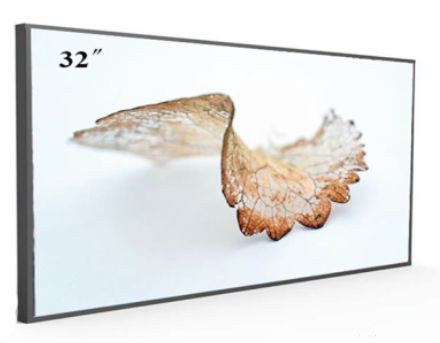
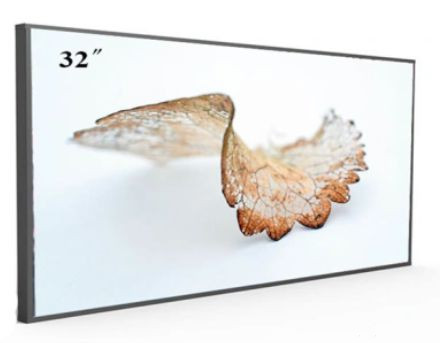
What are the technical specifications of the 32" high brightness display, 2500 nits, open frame (RS32OF2500)?
- design: 32" open-frame, built-in monitor with mounting tabs
- panel: industrial TFT-LCD with LED backlight
- brightness: 2500 nits sunlight readable display (typ.)
- resolution: Full HD 1920x1080 pixels
- viewing angle: extra wide
- inputs: VGA / DVI / HDMI
- LCD interface: HDMI
- operating temperature: 10 – 50°C
- environment / ingress: IP65 rating
- use case: digital signage
- form factor: open frame
- active area: 24"-32"
- weight: 4.8 kg/pc
- compliance: RoHS compliant
- controls: automatic brightness and temperature regulation
- chassis: black metal housing
- included accessories: VGA cable, power cord
- option: configurable with custom technical content
Where does a 2500-nit open-frame display add value?
Choose this type of industrial display when readability is non‑negotiable: bright ambient light, glass-front integration, or continuous customer-facing messaging. Ultra‑high brightness helps prevent washed‑out content, while Full HD resolution keeps text and graphics sharp for information and advertising screens.
The open‑frame format with mounting tabs supports clean OEM integration. You can build your own front bezel and enclosure around the panel, keeping the installation serviceable and mechanically stable in demanding locations.
How do automatic brightness and temperature control support reliable operation?
High brightness typically generates more heat, so monitoring temperature and adjusting backlight output are key to predictable uptime. A light‑sensor based brightness curve can also reduce unnecessary power draw when maximum luminance is not required, lowering thermal stress and improving long‑term stability.
During enclosure design, plan airflow or heat spreading, especially in sealed or IP65‑oriented builds where heat removal is more challenging.
Selection criteria: what to check before choosing an embedded industrial display
- ambient light: full sun, semi‑outdoor, or strong indoor lighting often requires a high nit level.
- mechanical integration: open‑frame mounting points, front bezel design, sealing strategy, and service access.
- video interfaces: HDMI plus VGA/DVI support for legacy controllers if needed.
- environment: IP65 expectations, dust/water exposure, and verifying the 10–50°C operating window.
- thermal management: airflow, heat sinking, and tuning brightness/thermal protection settings.
- system compatibility: USB peripherals, and on other subsystems ccTalk or MDB; confirm power rails in V DC and required mA per device.
- image quality: Full HD resolution, viewing angle, and readability at the intended distance.
CTA: build your interest list and send it at the end of your visit
If this 32" embedded 2500‑nit display is on your shortlist, add any other components that might be useful beyond the current project to your cart as well. Send your interest list when you finish browsing—this makes it easier to align technical parameters, compatibility and delivery options in one step, and you receive a proposal tailored to your rollout plan.
Quality, local technical support and preventive maintenance
With industrial displays, uptime depends on correct integration and disciplined operation, not only on a specification sheet. Plan for documentation, integration assistance and a local service route so that troubleshooting and parts logistics stay predictable.
- preventive care: regular cleaning plus checks of mounting, connectors and cables.
- operating conditions: keep temperature, humidity, power stability and enclosure cooling within target limits.
- configuration oversight: review brightness curves and thermal protection to avoid heat spikes.
- local support: faster fault isolation and repair turnaround to reduce downtime risk.
Supply, logistics and financing options for project purchasing
For B2B deployments, timing and financial flexibility are as important as technical fit. A structured supply and invoicing framework reduces stock risk and helps avoid installation delays.
- warehouse stock and scheduled arrivals: staged deliveries aligned to your build and rollout plan.
- selectable shipping methods: express, standard or project-optimized transport.
- customs clearance and freight forwarding: end-to-end handling for sensitive electronics.
- post-payment options: improved cash-flow planning for larger deliveries.
- invoicing in foreign currency: easier budgeting across multi-country projects.
- project-specific quotations: samples, pilots and documented technical alignment.
FAQ
What makes an industrial high-brightness display different from a typical consumer monitor?
Ultra-high brightness keeps content readable in strong ambient light, and the construction is typically optimized for continuous operation. Open-frame integration adds mounting points for custom enclosures and makes service access easier to engineer.
Why does IP65 matter for embedded installations?
An IP65-oriented build can help protect against dust and water spray when combined with proper enclosure sealing. This is especially useful in semi-outdoor locations or sites with frequent cleaning, where moisture and contamination often shorten the life of standard displays.
How should you plan cooling for a 2500-nit panel?
Higher luminance increases heat load, so the enclosure may need airflow, heat spreading elements or active cooling. Keep the system within the specified 10–50°C operating range and avoid thermal spikes during brightness changes.
Which connections are most common in digital signage control architectures?
HDMI is the typical interface for signage media players, while VGA/DVI can be valuable for legacy controllers. Across the wider system you may also see USB peripherals, and on payment/control subsystems ccTalk or MDB—so mapping all interfaces early helps avoid surprises.