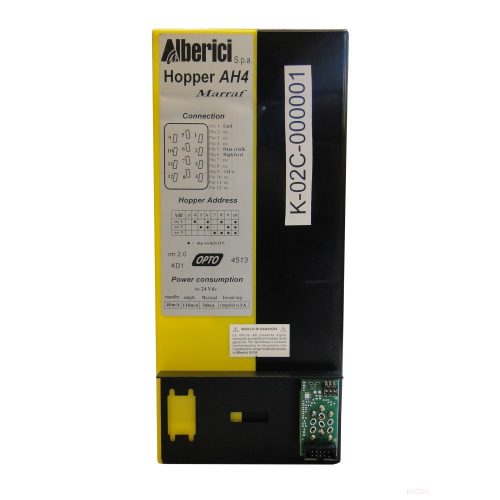
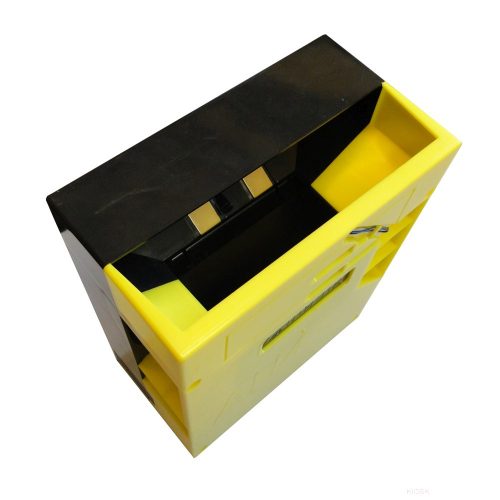
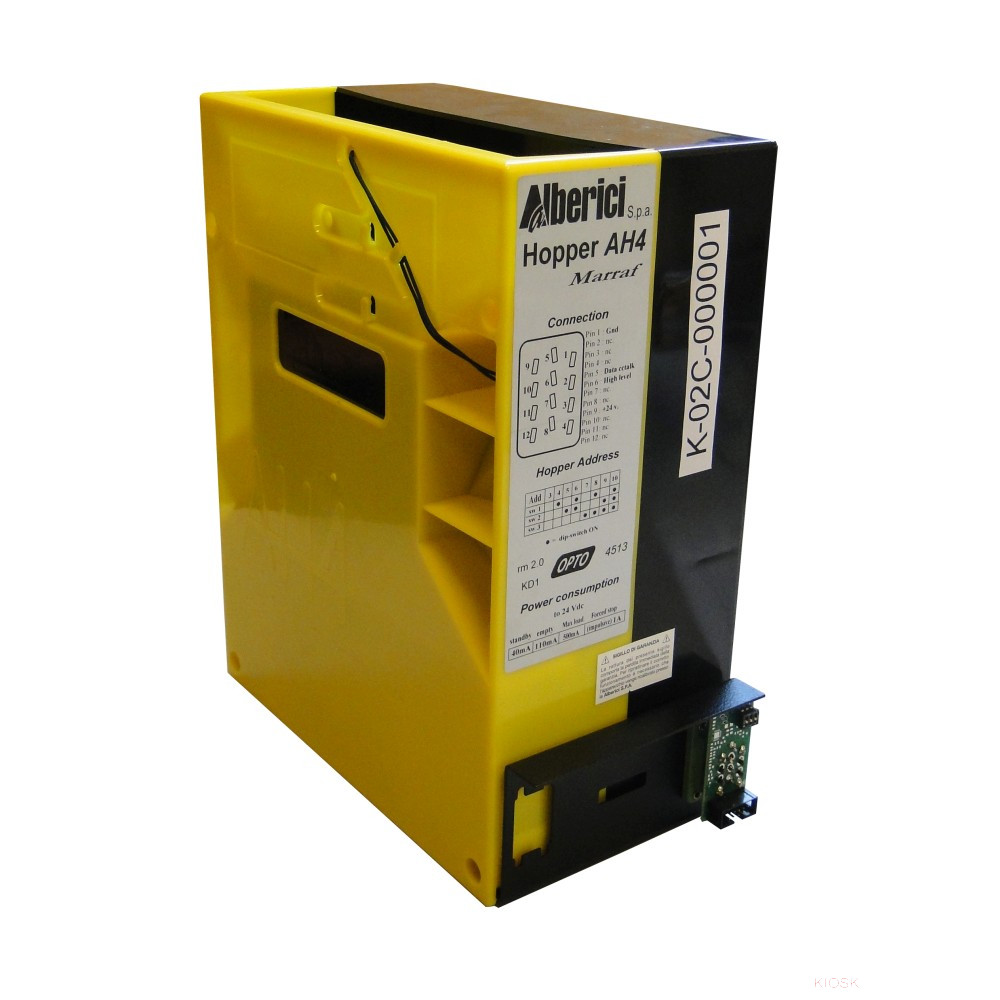
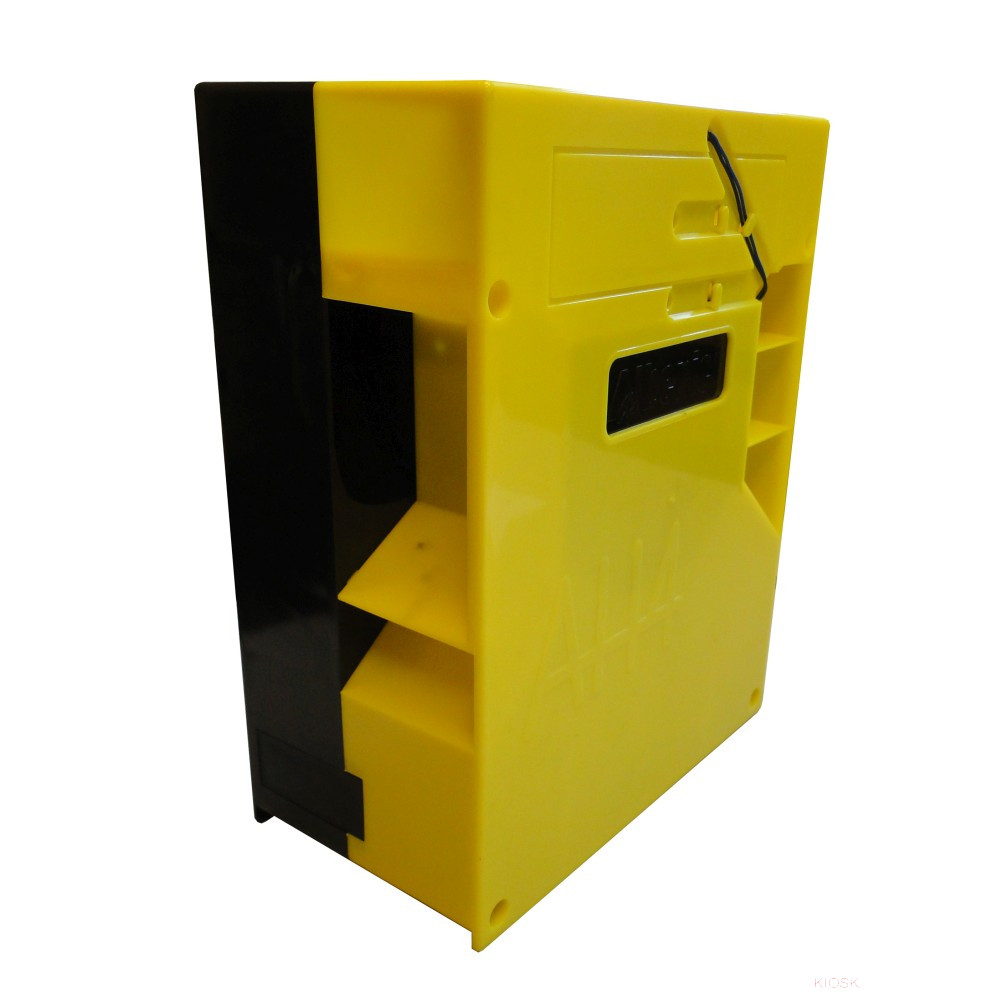
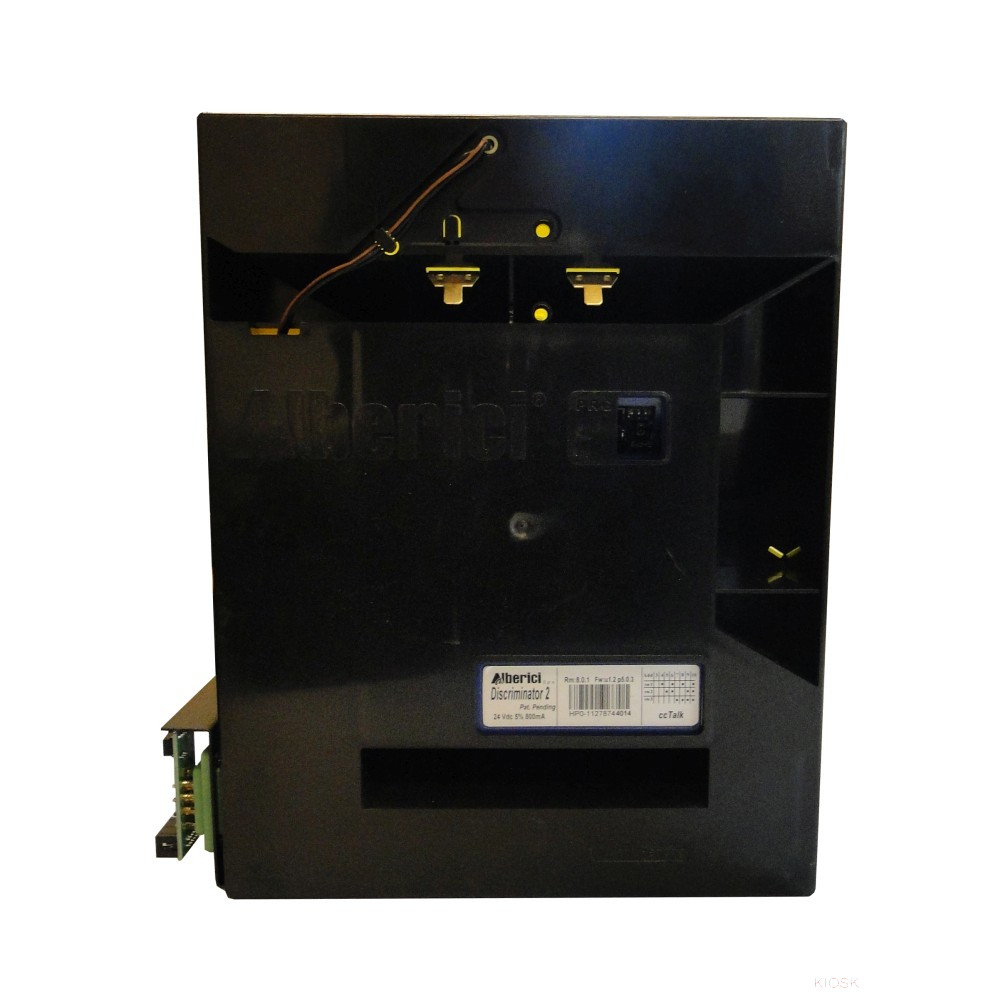
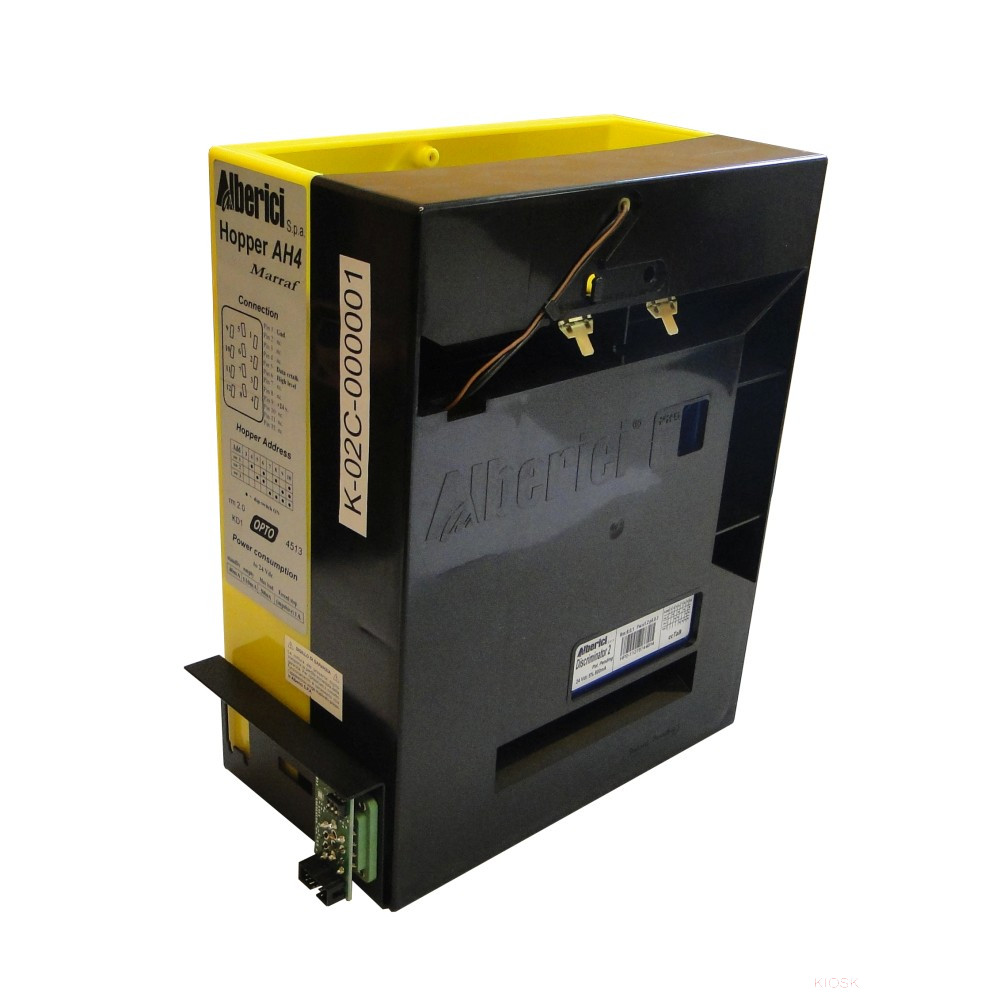
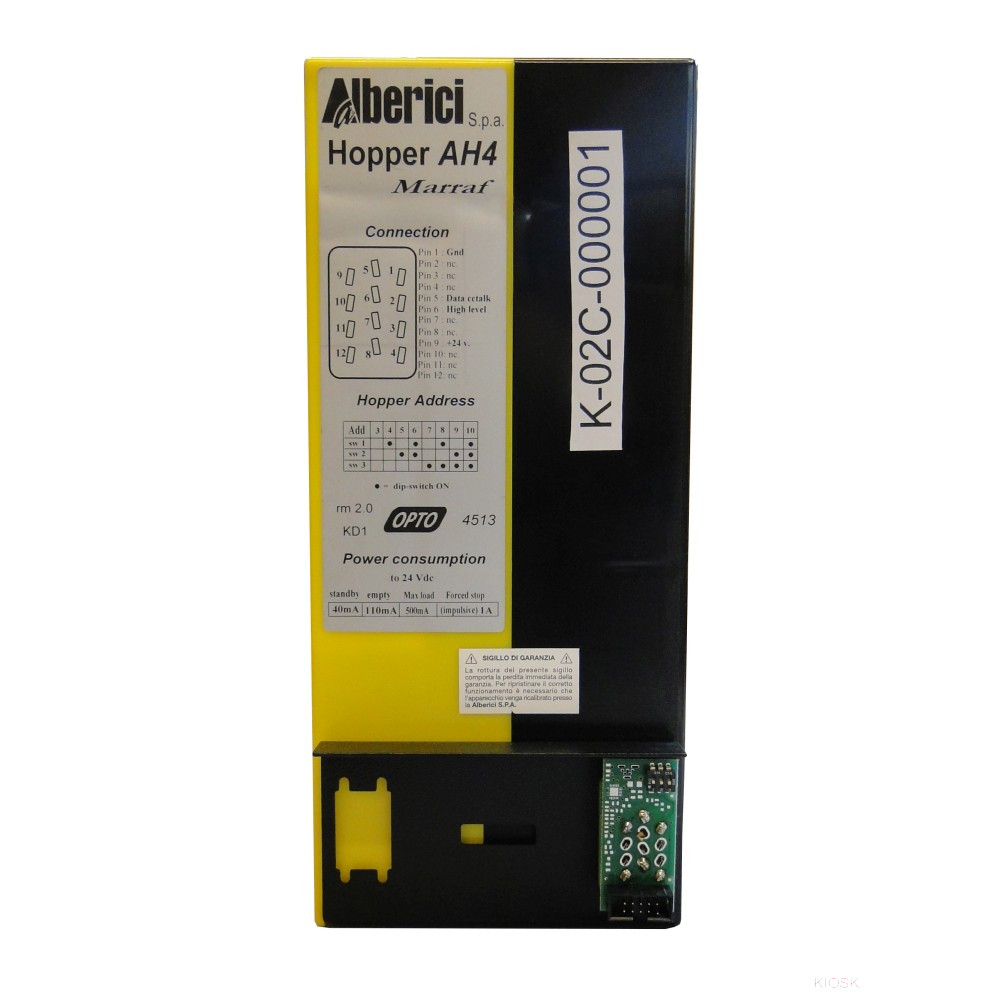
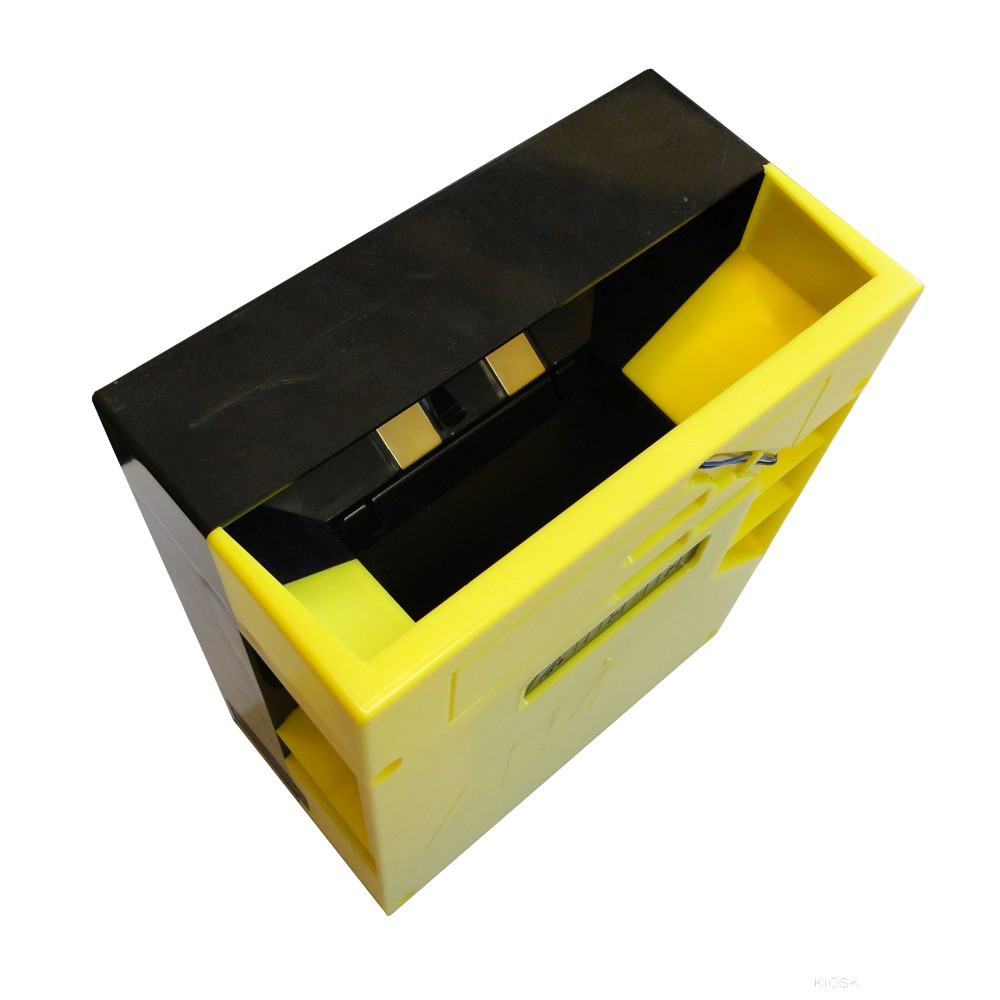
What are the technical characteristics of the K-02C-000001 USB–ccTalk interface?
- connection: USB
- data bus / communication: ccTalk (standard ccTalk data bus)
- typical use: testing and diagnostics for coin hoppers and coin acceptors
- application focus: vending machines
- operating conditions: indoor, 10–40 °C
- weight: 68 g / pcs
When do you need a USB–ccTalk interface?
The K-02C-000001 USB–ccTalk interface is most useful when you need quick, repeatable feedback from a ccTalk peripheral. By connecting the device to a PC, you can inspect command/response flow, monitor error codes and verify device status without relying solely on the full machine. This reduces integration risk and speeds up fault isolation in service scenarios where availability and predictable maintenance windows matter.
How does it help commissioning and field diagnostics?
With a dedicated interface, you can test the peripheral as a standalone unit. That makes commissioning faster because basic communication can be validated before installation. In the field, it supports targeted checks during firmware updates, parameter setting and logging—especially when you need to reproduce an intermittent issue.
Selection criteria
- protocol match: confirm the peripheral uses ccTalk and the required command set
- connectors and wiring: secure mounting, vibration resistance, practical cable routing
- noise protection: ESD/EMI design, grounding strategy and shielding
- serviceability: easy access, quick replacement, efficient diagnostics workflow
- software side: stable drivers/tools and clear error reporting
Quality, local technical support and preventive maintenance
Communication issues are often caused by real-world conditions: dust, oxidation, loose connectors, suboptimal wiring, power disturbances or electrostatic discharge. A consistent installation and service routine can significantly improve uptime.
- respect the specified indoor temperature range and protect the module from humidity and dust
- use tidy cable management, secured connectors and appropriate shielding
- plan periodic checks: clean contacts and prevent connector-related faults
- for business-critical systems, rely on local technical support and fast spare-part logistics
Procurement and project logistics
- local and european stock planning to reduce downtime
- timed inbound deliveries aligned with project milestones
- selectable shipping options for standard and urgent needs
- customs handling and forwarding to keep lead times predictable
- post-payment options and invoicing in foreign currency
- project-tailored quotations based on quantity, deadlines and accessories
CTA: build an interest list during your visit
If multiple interface boards, cables or cash-handling components look relevant beyond your current project, add them to the cart as an interest list. At the end of your visit, send the list together with a short note about quantity, timeline and environment, so you receive a focused recommendation and sourcing options.
FAQ
What is ccTalk and why is it common in cash-handling peripherals?
ccTalk is a widely used serial protocol in coin acceptors, coin hoppers and related modules. its standard message structure supports easier diagnostics and integration across different device functions.
How does a USB–ccTalk interface support field service?
it lets you test a peripheral independently from the full machine, verify communication, read error codes and validate response timing. this improves troubleshooting speed and reduces unnecessary part swaps.
What does an industrial interface typically add compared to a generic adapter?
Industrial modules are commonly designed with more robust connectors, stronger ESD/EMI protection and reliability for continuous operation. these features matter in high-traffic installations where predictable uptime is essential.
How can you reduce the risk of communication errors?
Use secured connectors, proper shielding and grounding, and keep contacts clean. even indoors, dust and humidity can cause contact issues, while power disturbances can introduce unstable communication.