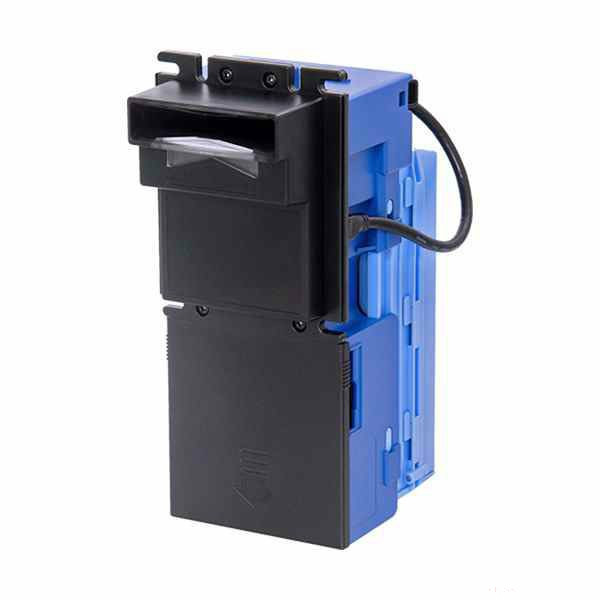
ICT XBA banknote acceptor with 600 pcs stacker
ICT XBA banknote acceptor with 600 pcs stacker
Item number:
ICTXBA36DNMEU4
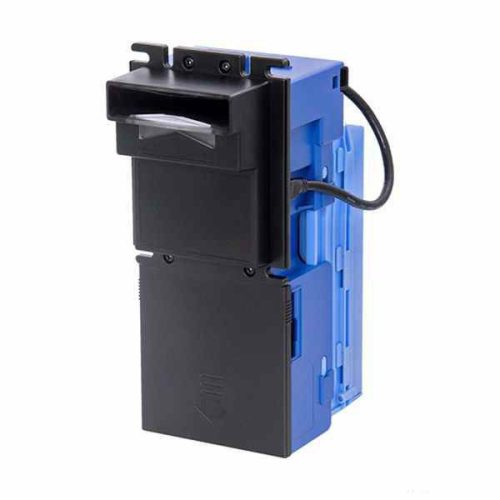
ICT XBA banknote acceptor with 600 pcs stacker
Item number:
ICTXBA36DNMEU4
What is the ICT XBA banknote acceptor with 600 pcs stacker, 34V, std bezel used for in vending systems?
The ICT XBA banknote acceptor with 600 pcs stacker, 34V, std bezel is an industrial bill validator recommended for automated cash payment where fast customer flow and predictable acceptance performance matter. Wide-angle note insertion supports an acceptance rate of 98% or higher, while strong ambient-light immunity and an advanced optical-mechanical design help protect against fraud attempts. The 600-note stacker reduces emptying frequency, and the built-in USB port enables quick firmware updates during service and rollout.
The ICT XBA banknote acceptor with 600 pcs stacker, 34V, std bezel is an industrial bill validator recommended for automated cash payment where fast customer flow and predictable acceptance performance matter. Wide-angle note insertion supports an acceptance rate of 98% or higher, while strong ambient-light immunity and an advanced optical-mechanical design help protect against fraud attempts. The 600-note stacker reduces emptying frequency, and the built-in USB port enables quick firmware updates during service and rollout.
THE PRICES OF THE PRODUCTS ON THIS WEBSITE ARE INDICATIVE PRICES FOR 1 ITEM. AFTER ASSESSING YOUR EXACT REQUIREMENTS, WE WILL SEND YOU A QUOTATION TAILORED TO YOUR PROJECT, INCLUDING ANY ADDITIONAL COSTS AND DISCOUNTS THAT MAY BE APPLICABLE. .
Our colleagues will contact you in any case. THE PICTURES OF THE PRODUCTS ON THIS WEBSITE ARE ILLUSTRATIONS, THEY MAY DIFFER FROM THE REAL APPEARANCE OF THE PRODUCT!
Available with custom technical specifications
Accessories