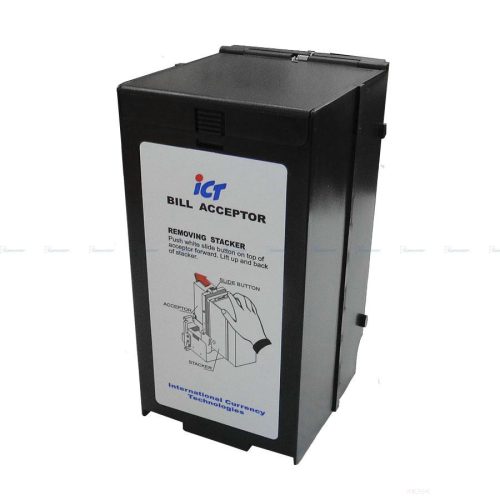
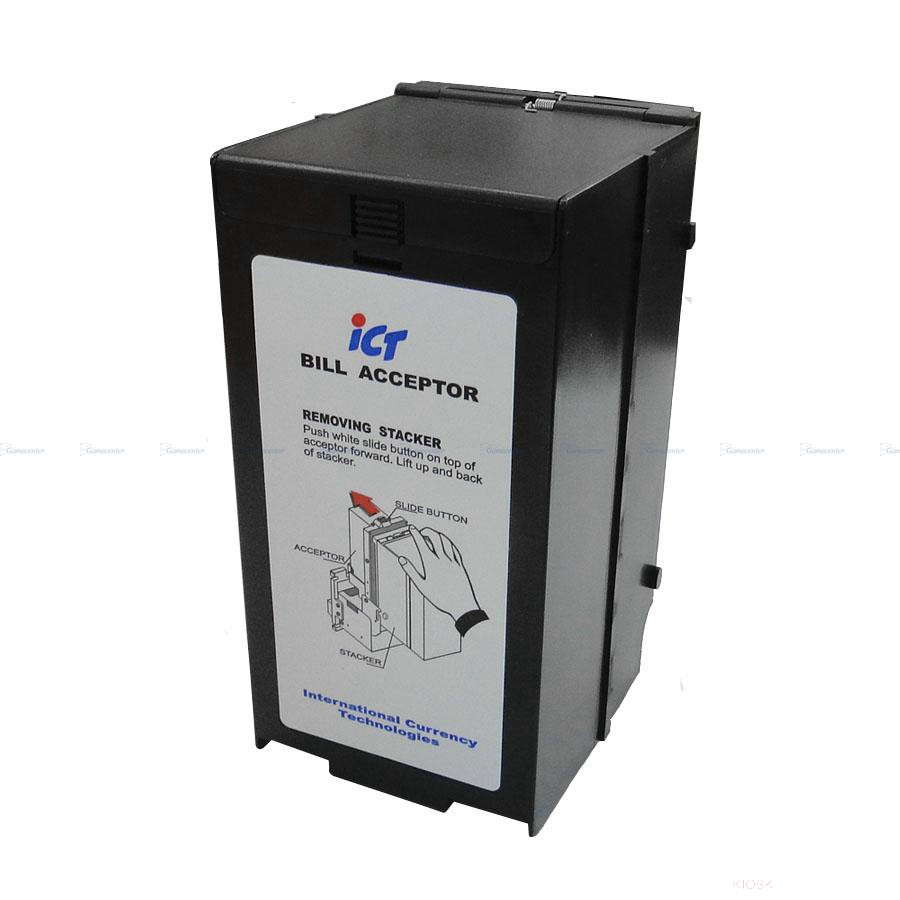
What are the technical specifications of the ICTPL83300-CASHBOX?
- product name: ICT L83 cashbox 300
- item number: ICTPL83300-CASHBOX
- function: banknote collection cashbox for a compatible banknote acceptance unit
- capacity: 300 banknotes (effective capacity depends on note condition and thickness)
- operational purpose: fast swaps, secure storage, predictable collection workflow
What problems does a 300-banknote cashbox solve in daily operations?
with cash acceptance, banknote storage is part of your process, not just a component. the ict l83 cashbox 300 supports longer collection intervals, which can reduce interruptions and staff workload. a consistent cashbox design also helps keep cash collection tidy and easier to track, which is valuable across multiple sites, rotating shifts, and outsourced field operations.
How does it fit into cash logistics and service routines?
the goal is a controlled, fast collection routine: swap the cashbox, run a short validation check, and keep the payment point running. item-number standardization reduces the risk of bringing the wrong part on-site and makes every intervention easier to document. that predictability supports uptime and helps you plan scheduled maintenance and replenishment more objectively.
What environmental and maintenance practices improve reliability?
- keep the banknote path area clean: dust and fibers can increase jam risk.
- check mounting stability: loose fixing points can lead to poor seating and inconsistent sensing.
- use a consistent collection checklist: it simplifies accountability and reduces handling mistakes.
- apply operating discipline: controlled access and repeatable routines lower user and operator errors.
Selection criteria: what to check before choosing a cashbox
- capacity: does 300 notes match your daily volume and collection cycle?
- compatibility: does it fit mechanically and operationally with your cash module and enclosure?
- swap time: how fast can your team swap it and confirm basic function?
- traceability: do you need extra labeling and documentation steps for audits?
- logistics: can you keep safety stock for critical sites?
How to plan quality, local support, and flexible sourcing
cash collection quality directly impacts service levels. consistent maintenance and controlled operating conditions help keep the cash workflow stable. on the sourcing side, flexibility matters when you roll out projects or run multi-site maintenance programs.
- local technical support and service: faster guidance, swap assistance, and validation routines.
- scheduled maintenance: cleaning cadence and checks of mounting and sensing points.
- operating conditions: dust control, access control, and documented collection procedures.
- stock availability: safety stock for critical locations to protect uptime.
- scheduled inbound delivery: align replenishment with rollout and service cycles.
- selectable shipping methods: optimize lead time versus cost.
- customs clearance and freight handling: predictable fulfillment for international projects.
- post-payment options: smoother finance flow for contracted customers.
- foreign-currency invoicing: easier accounting for cross-border sourcing.
- project-specific quotations: tuned to volume and delivery scheduling.
Cta: how to collect items you may need later
when you come across additional cash-handling accessories and mounting items that could be useful beyond your current scope, add them to your interest list (cart). at the end of your visit, send the list to get quick feedback on availability, shipping options, and selection guidance for your system. this speeds up decisions while keeping alternatives within reach.
FAQ
how often should you empty a 300-banknote cashbox?
it depends on daily volume and note condition; a 300-note capacity typically supports longer collection intervals and fewer on-site interruptions.
what do industrial cash collection solutions offer compared with basic storage?
they commonly support faster swaps, more repeatable routines, and better standardization, making multi-site operations more consistent.
what reduces handling errors in banknote collection?
keep the environment clean, follow a consistent checklist, and verify mounting stability so mechanical seating remains reliable.
how does item-number standardization speed up procurement and recovery?
precise identification simplifies ordering, stock planning, and service kits, reducing wrong-item risk and shortening recovery time.