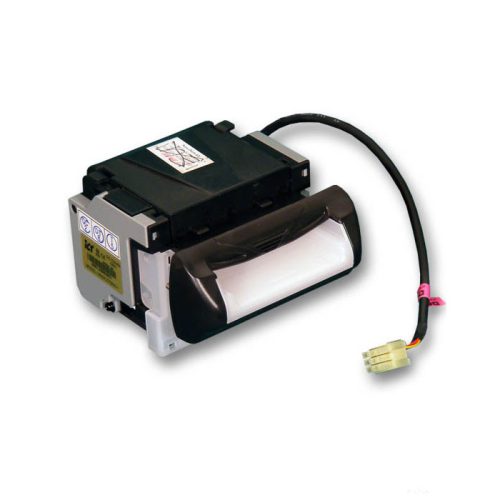
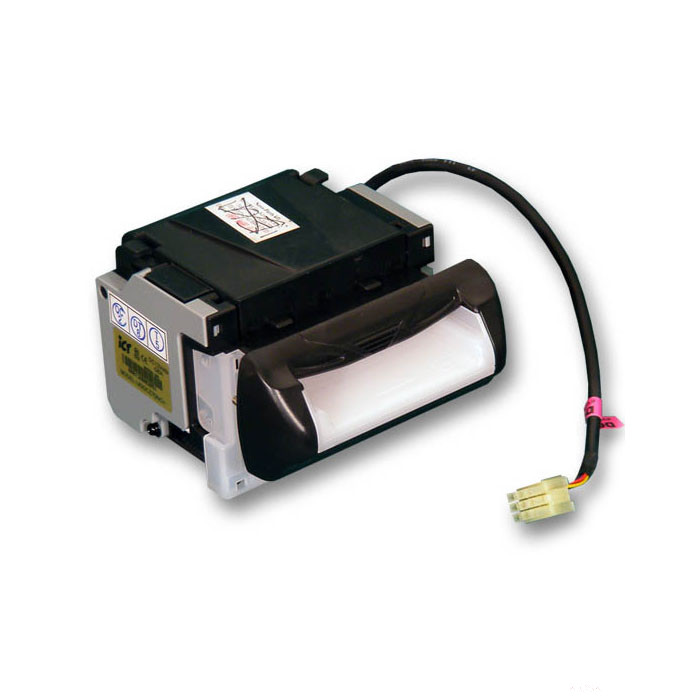
What are the technical specifications of the ICT L83 bill acceptor, head only, with standard bezel (item number: ICTL83_aicc)?
- function: bill acceptor head with standard bezel
- banknote width: l83 version, up to 83 mm
- acceptance performance: manufacturer lists ~96%, with higher target figures sometimes stated for the series depending on setup
- programmable denominations: up to 8
- operating temperature: 0–55 °c
- dimensions: 134 × 93 × 114 mm
- power supply: 12 v dc
- current draw: 210–350 ma
- interfaces: pulse, mdb (via external interface box), cctalk, rs232
- controls: dip switches for interface switching and denomination enable/disable
- options: stacker versions available with different cashbox capacities
When should you choose this industrial bill acceptor head?
Choose the ICT L83 bill acceptor, head only, with standard bezel when you want a cost-effective but dependable cash acceptance path and you value quick rollout. DIP-switch setup supports straightforward commissioning, and 12 V dc aligns with common industrial cabinet power designs. The 83 mm banknote width coverage fits many widely used note formats, making it a practical choice for vending, gaming and simple payment terminals where uptime and predictable service routines matter.
How does sensor-based validation support smoother transactions?
Stable sensing and accurate note guiding reduce unnecessary rejects, which improves user flow and helps keep queues shorter at peak hours. note-path accessibility also matters for maintenance: when cleaning is fast and repeatable, acceptance stability is easier to maintain across sites. Design choices that discourage withdrawal attempts can also reduce disputes and operational interruptions.
What should you plan for during integration?
Power stability and emc basics
Provide a stable 12 V dc rail with sufficient headroom and apply good grounding and cable routing practices. if the cabinet includes motors, printers or other noisy loads, handle emc early so intermittent issues are less likely and troubleshooting stays straightforward.
Interface choice and service logging
Decide upfront whether Pulse, MDB, ccTalk or RS232 best fits your controller and peripheral framework, and lock that choice at ordering. Implement consistent event logging on the host side so service teams can quickly trace rejects, communication faults and maintenance needs across deployments.
Selection criteria: a practical checklist for choosing a bill acceptor
- note size coverage: does it match your target currencies (here: up to 83 mm width)
- denomination needs: how many notes must be handled and how fast you need enable/disable control
- interface fit: pulse/mdb/cctalk/rs232 aligned to your controller and software stack
- environment: temperature, dust exposure, humidity and service access inside the cabinet
- traffic profile: peak transaction load and acceptable user wait time
- cash collection workflow: whether you need a stacker/cashbox option and your emptying schedule
Quality, preventive maintenance and local technical support
- schedule routine cleaning for the note path and sensors, because dust and deposits increase reject rates.
- keep operation within 0–55 °c and avoid enclosure conditions that can lead to condensation.
- use a structured service log so issues can be reproduced and resolved faster.
- rely on local technical support and service capability to reduce downtime and keep maintenance windows predictable.
Which procurement and financing options make rollout smoother?
- stock availability and scheduled inbound deliveries aligned with installation milestones
- selectable shipping methods, plus customs handling and freight forwarding when needed
- post-payment terms and invoicing in foreign currency to fit corporate finance processes
- project-tailored quotations when you plan multiple peripherals and spare parts together
CTA: add items to your interest list and send it at the end of your visit
Add the ICT L83 bill acceptor, head only, with standard bezel to your interest list and also collect any compatible accessories that could be useful in future rollouts. Send the list at the end of your visit so power, interface, expected load, delivery options and payment terms can be aligned in one step, and you receive a quotation tailored to your project scope.
- note your target interface (pulse/mdb/cctalk/rs232)
- confirm banknote width requirements and how many denominations you need
- share expected daily volume and the planned service interval
FAQ
What do industrial banknote validators provide beyond fast recognition?
They typically combine multi-sensor checks with stable note guiding, which reduces disputes and keeps cash acceptance consistent under heavy traffic.
Why does having multiple interface options matter?
It lets you match different controller architectures and peripheral buses, which speeds up integration and simplifies standardization across deployments.
What maintenance helps keep acceptance performance stable?
Regular cleaning of the note path and sensors, plus inspection of rollers and guides. shorten the interval in dusty environments to prevent build-up.
How do industrial heads differ from entry-level devices?
They are usually built for higher duty cycles, offer more integration interfaces, and support more predictable servicing, which helps reduce downtime over time.