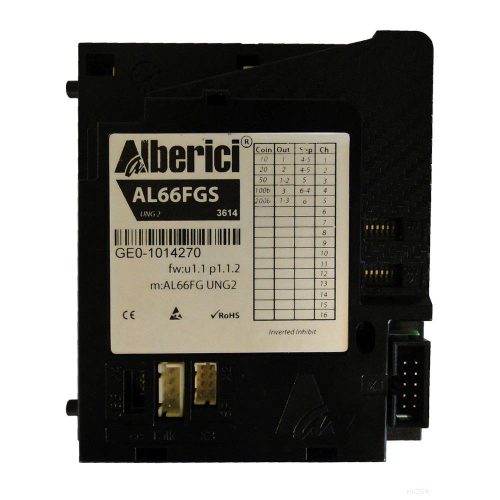
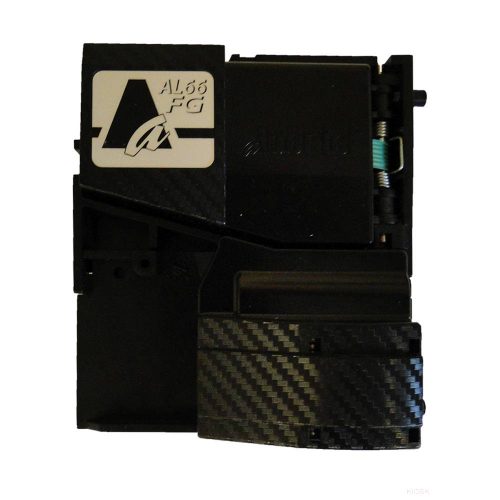
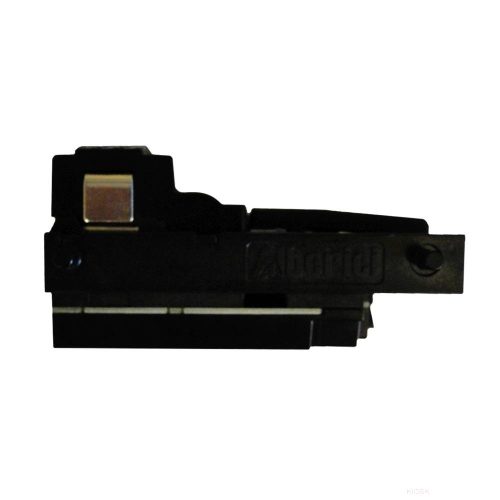
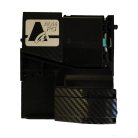
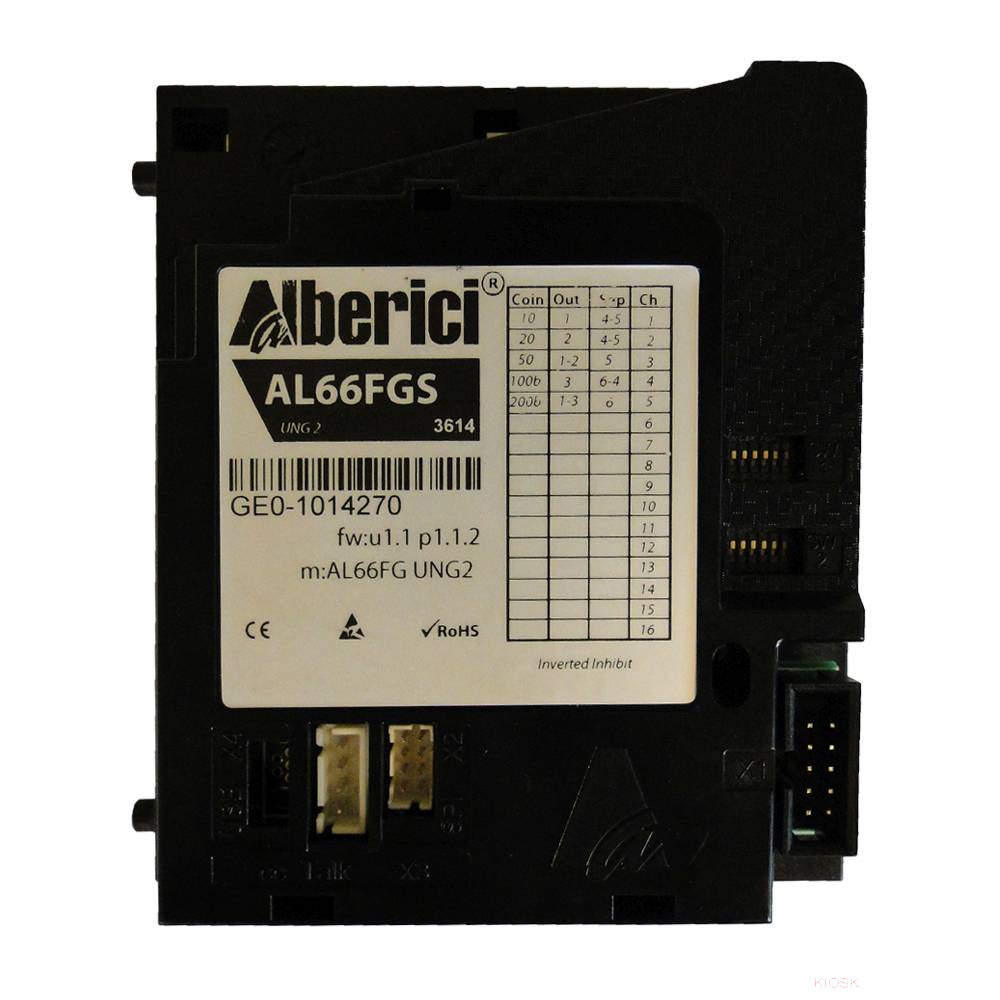
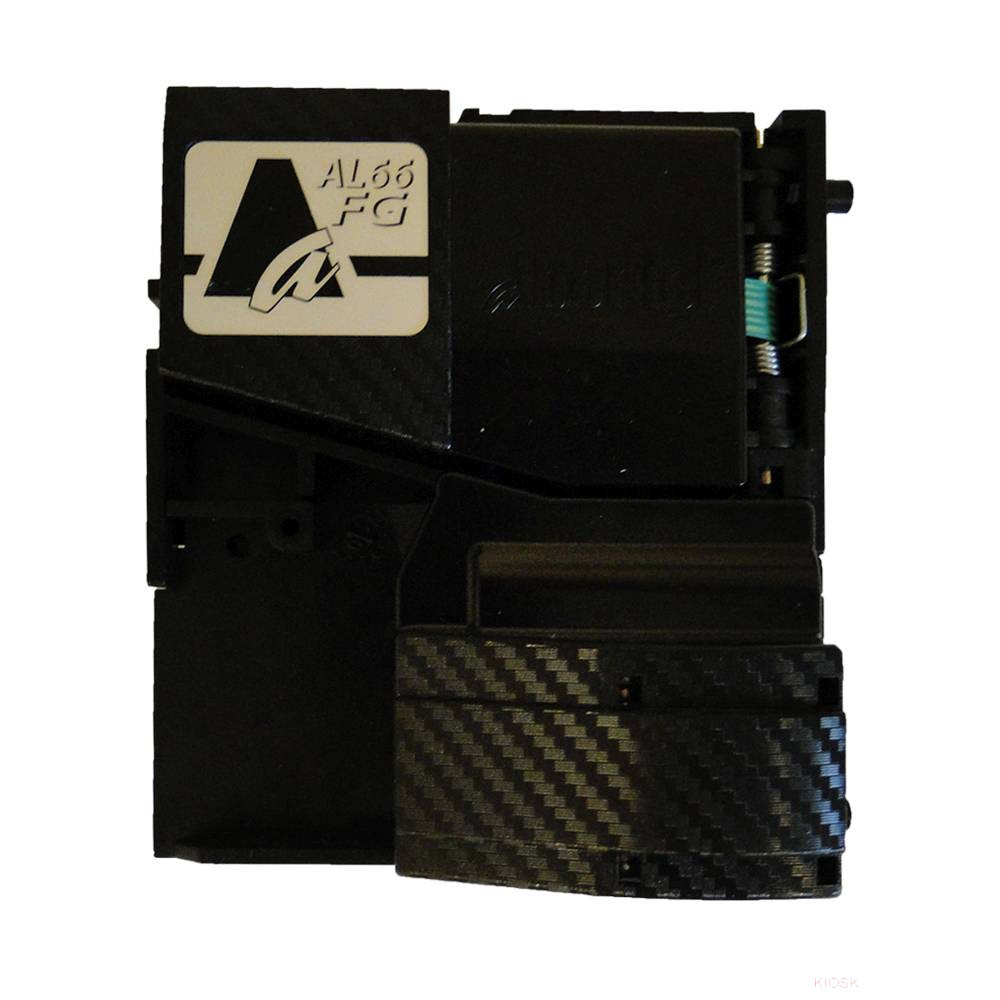
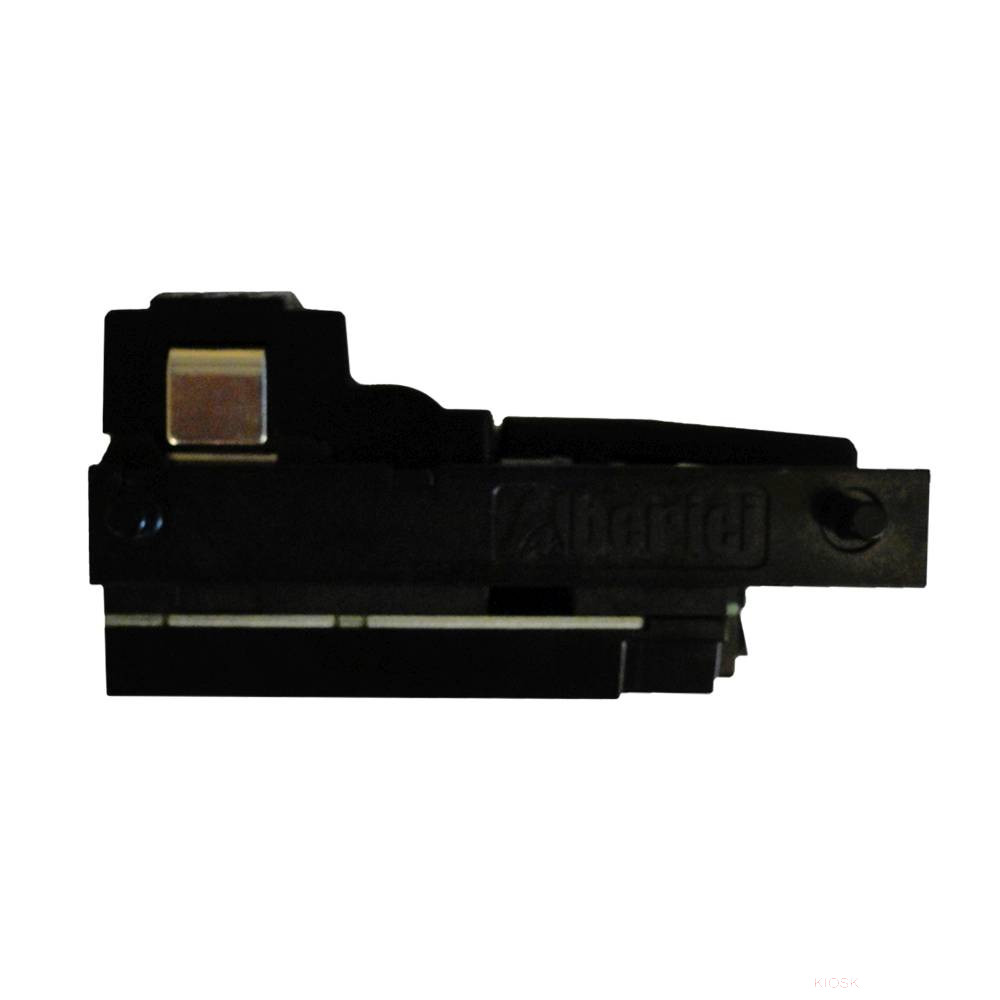
What are the GETTOAL66SFG AL 66 S FG coin acceptor technical specifications?
- product: AL 66 S FG coin acceptor / coin validator
- item number: GETTOAL66SFG
- communication: ccTalk
- coin recognition: 13 recognition parameters (12 dynamic), 6 magnetic sensors, optical detector pairs
- additional detection: mf inducted balance and multi‑sample pulse induction
- anti‑tamper security: 4 optical pairs + 2 mechanical devices (wire‑cutter and wire‑stripper)
- programming: via PC or two DIP‑switch banks
- channels: 16 combinable programming channels
- control: 32‑bit Arm microprocessor, 128 kB flash
- connectivity: preset for mini‑USB B socket
- housing material: non‑deformable hq polymeric resins
- operating conditions: sheltered from rain, 0–50 °C
- application area: parking
- operation: acceptance
- weight: 250 g/pcs
How does the AL 66 S FG improve coin identification reliability?
The AL 66 S FG combines multiple sensing principles, so magnetic behaviour, optical readings and inductive responses are evaluated together. With 13 parameters—12 of them dynamic—the decision is less dependent on simple static dimensions. In practice this supports stable false‑coin filtering while keeping throughput high, which matters when a payment point processes many short transactions during peak hours.
Why does cctalk matter for integration and monitoring?
ccTalk gives you a structured interface to query states and events rather than relying only on basic pulses. This helps the host controller keep a cleaner payment logic, simplifies logging, and makes troubleshooting more direct when you need to understand acceptance rates or specific rejection reasons. Combined with 16 programmable channels, you can maintain a controlled configuration across multiple sites and coin/token profiles.
How does anti‑tamper design protect cash acceptance?
Beyond validating coins, the unit is designed to make common manipulation attempts harder. The combination of optical pairs and mechanical elements is intended to discourage pull‑wire style tricks and similar access methods. This is valuable for unattended devices where physical access is easier than in a supervised checkout environment.
Selection criteria: what should you evaluate before purchasing?
- integration: ccTalk compatibility with your controller and required event handling
- coin profiles: number of denominations/tokens and whether you need spare channel capacity
- site conditions: sheltered placement, 0–50 °C, dust, humidity and vibration exposure
- mechanical fit: coin path alignment, entry bezel/slot concept and service accessibility
- security: anti‑tamper expectation based on site risk level
- operations: cleaning intervals, replacement strategy and commissioning test scripts
How to keep performance stable: quality, local support and preventive maintenance
High availability depends on a clean coin path and consistent configuration. Dirty coins and dusty entry areas increase the chance of sticking and inconsistent sensing. Plan the installation so inspection and cleaning can be performed quickly, and keep reference coins/tokens for functional checks. Local technical support and a clear service process reduce downtime when the payment point is revenue‑critical.
- preventive maintenance: scheduled cleaning, visual inspection and coin path testing
- operating discipline: stable power and adherence to the specified environment
- local service support: diagnostics, configuration review and fast replacement workflows
- integration validation: logging ccTalk events and monitoring acceptance quality over time
Supply, logistics and financial options for your project
For multi‑site rollouts, availability and commercial flexibility directly affect delivery schedules. Planning stock, inbound timing and payment terms can reduce delays and keep cash‑flow predictable during deployment.
- local stock and scheduled inbound deliveries aligned to rollout phases
- selectable shipping modes, customs handling and forwarding for sensitive electronics
- post‑payment options, multi‑currency invoicing and project‑specific quotations
Add relevant components to your interest list
If you are comparing multiple cash‑handling parts, add the items that could also be useful in future iterations. Collect them in your interest list (cart) and send the list at the end of your visit—this helps align integration details, shipping options and project‑tailored conditions faster.
FAQ
Why do 13 recognition parameters matter in a coin acceptor?
More independent parameters typically improve false‑coin filtering and reduce unintended acceptance, especially with worn or contaminated coins in real circulation.
What do industrial coin acceptors usually offer beyond entry‑level devices?
They commonly provide multi‑technology sensing, stronger tamper resistance, protocol‑based integration and more durable mechanics designed for continuous load.
How can cctalk help troubleshooting?
It enables structured state and event reporting so the host can log acceptance behaviour and investigate issues more precisely than with simple pulse outputs.
What keeps acceptance stable in high‑traffic locations?
A clean coin path, correct configuration, stable power and regular preventive checks together reduce sticking and inconsistent sensing.