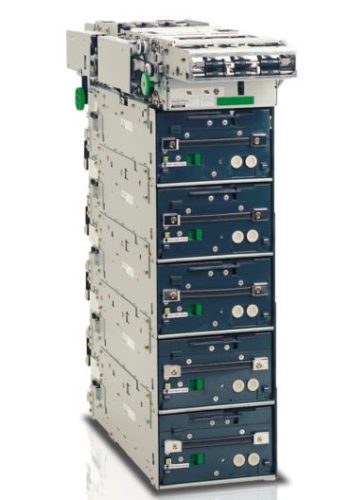
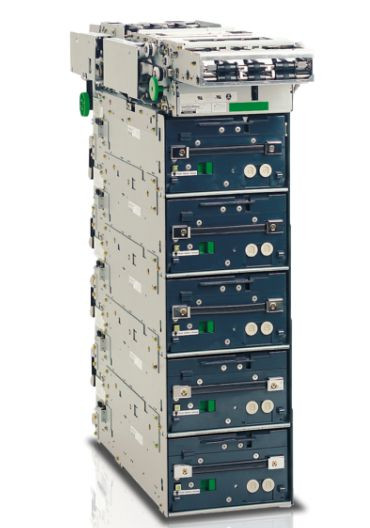
What are the technical specs of the Fujitsu F510 banknote dispenser (FJTF65)?
- dimensions (w × d × h): 160 × 320 × 313 mm
- number of cassettes: up to 6
- dispense speed: 2 notes / second
- per transaction: max. 20 notes
- banknote size: 60–82 mm wide, 120–165 mm long
- thickness: 0.09–0.3 mm
- interface: rs232c
- power: dc +24v ±10%, max. 7a (avg. ~5a)
- temperature: operating 0–40°c; stop state -5–50°c
- humidity: operating 10–85%; stop state 8–90%
- service access: front or rear
- options: note retrieval, shutter
- reject area capacity: max. 20 notes
- weight (without media): 8.5 kg
How does a multi-cassette dispenser help keep payout predictable?
Payout is where mechanics, sensors, and host control meet, so stability here strongly influences perceived reliability. With up to 6 cassettes, the Fujitsu F510 (FJTF65) supports flexible denomination strategies while keeping the transaction logic consistent. The 2-notes-per-second throughput helps manage queue time, and a defined per-transaction limit (20 notes) supports stable timing and controlled risk. A dedicated reject area isolates problematic notes, and low-level sensing helps you detect depletion earlier, so replenishment and service planning become more proactive instead of reactive.
What should you plan for when integrating via rs232c?
RS232C is widely used in industrial peripherals because it is simple and testable, but long-term stability comes from careful implementation. Plan grounding and cable routing to reduce noise, validate protocol behavior in your controller stack, and implement event logging for payouts, rejects, and cassette status. This gives you faster root-cause analysis when a site reports irregular behavior, and it also supports remote diagnostics workflows during rollout and operation.
What environmental conditions keep cash-handling mechanics stable?
Cash modules are sensitive to dust, humidity swings, and condensation because transport paths rely on consistent friction and clean surfaces. The FJTF65 is designed for controlled indoor conditions, with an operating window of 0–40°c and 10–85% relative humidity. In enclosure design, keep a clear service path for front or rear access, manage vibration where needed, and consider airflow and filtration. A scheduled maintenance routine—cleaning transport paths, checking rollers, verifying cassette fit—reduces the probability of jams and mis-dispenses over long duty cycles.
How do you choose the right dispenser for your project scope?
Selection criteria / checklist
- denomination strategy: do you really need 4–6 cassettes, or fewer is enough?
- throughput target: does 2 notes/second meet your required transaction time?
- integration readiness: rs232c support, host-side control, diagnostic logging
- media tolerance: banknote size and thickness range versus local circulation
- serviceability: front/rear access, swap time, clearance inside the enclosure
- power budget: 24v rail stability, peak current handling, fusing
- security flow: whether you need a shutter and note retrieval option
- site conditions: dust control, humidity control, thermal management
How to factor quality, local technical support, and commercial flexibility into the decision?
In enterprise procurement, specifications are necessary but not sufficient. What matters is how you protect availability and reduce supply risk across multiple sites. Quality control and local technical support become valuable when you need quick diagnostics, workshop testing, repair options, or spare parts. Commercial flexibility matters because deliveries, stock planning, and payment terms can make or break your rollout schedule.
- local technical support and service: faster diagnostics, testing, and repair options
- preventive maintenance: scheduled cleaning and inspections to reduce unplanned interventions
- stock availability and timed inbound deliveries: keeping critical modules and wear parts accessible
- selectable shipping methods, customs handling and freight forwarding: aligned with project milestones
- post-payment options and invoicing in foreign currency: improved cash-flow planning for larger orders
- project-tailored quotations: aligned with quantities, logistics, and delivery windows
CTA: collect items you might need later and send one consolidated list
If the Fujitsu F510 banknote dispenser (FJTF65) is relevant, other cash-handling modules, peripherals, and accessories may be useful as well. Add anything that interests you to your interest list (cart) while browsing. At the end of your visit, you can send one consolidated list that clearly separates what you need now from what you want to keep on your radar for future upgrades.
FAQ
what does an industrial banknote dispenser typically provide that simpler payout mechanisms do not?
industrial units commonly offer multi-cassette handling, higher throughput, monitored sensors, structured fault reporting, and service-friendly access. these features help reduce downtime and keep user flows predictable under higher load.
why is a dedicated reject area useful?
a reject pocket isolates problematic notes and keeps the main transport path cleaner during operation. that improves recovery from edge cases and helps maintenance teams diagnose media-related issues faster.
how can you reduce jam risk in long duty cycles?
keep temperature and humidity within the specified range, manage dust and airflow in the enclosure, and follow a scheduled cleaning routine. worn rollers and contaminated transport paths are common contributors to feed instability.
when do shutter and note retrieval options matter?
a shutter helps control access to the payout opening, while retrieval manages cases where the user does not take the cash in time. together they support cleaner transaction control and stronger operational safety.