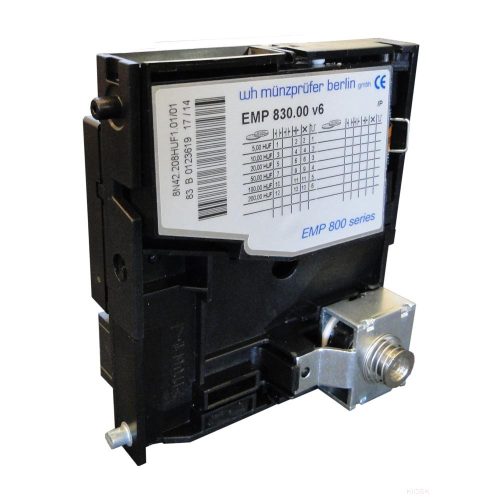
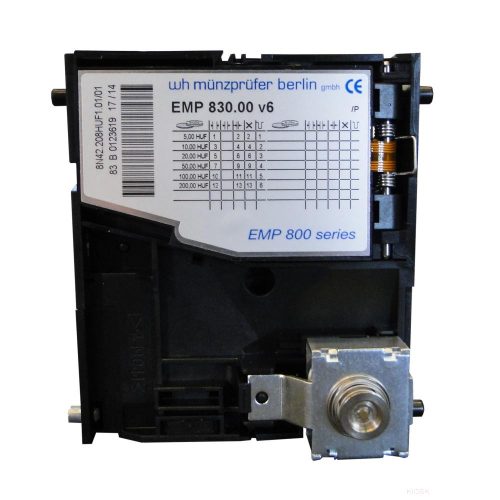
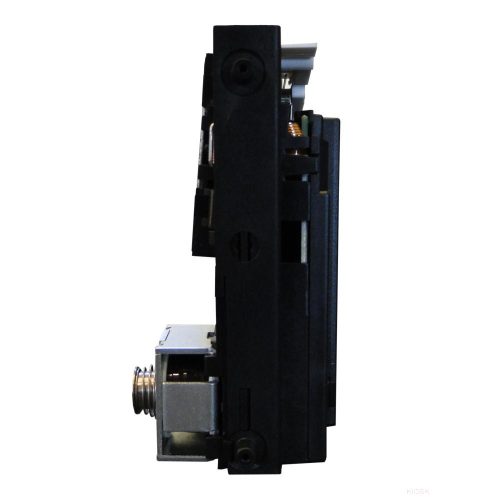
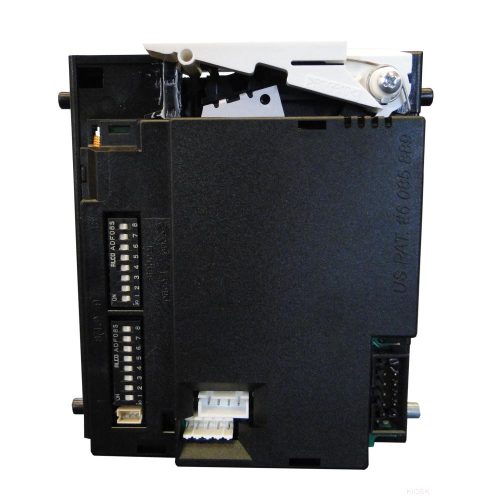
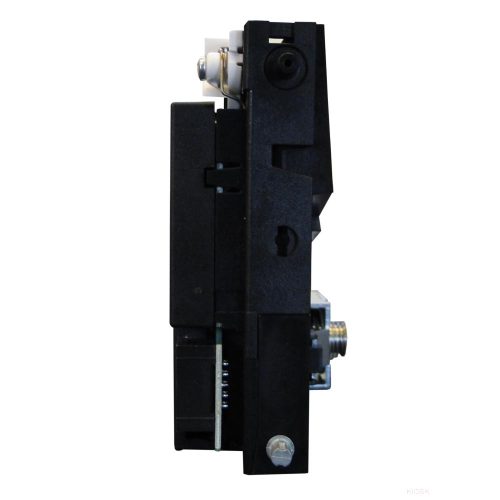
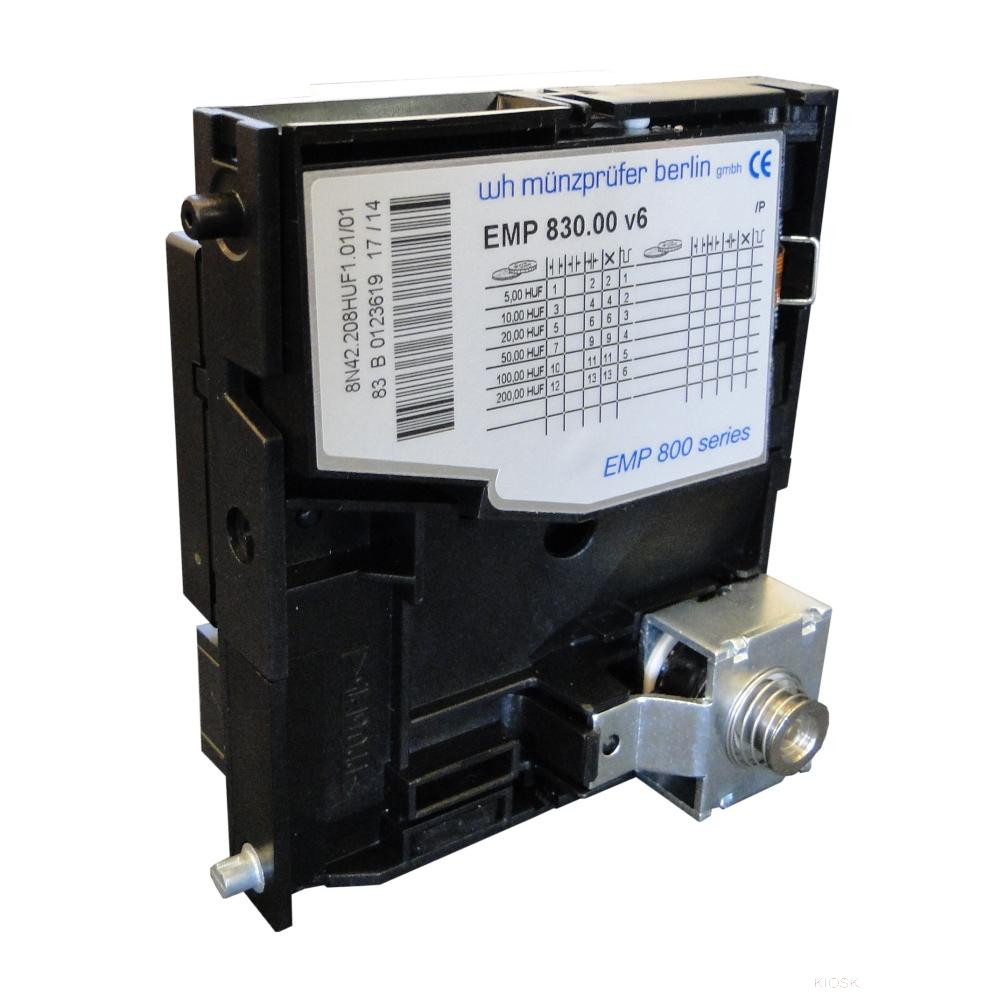
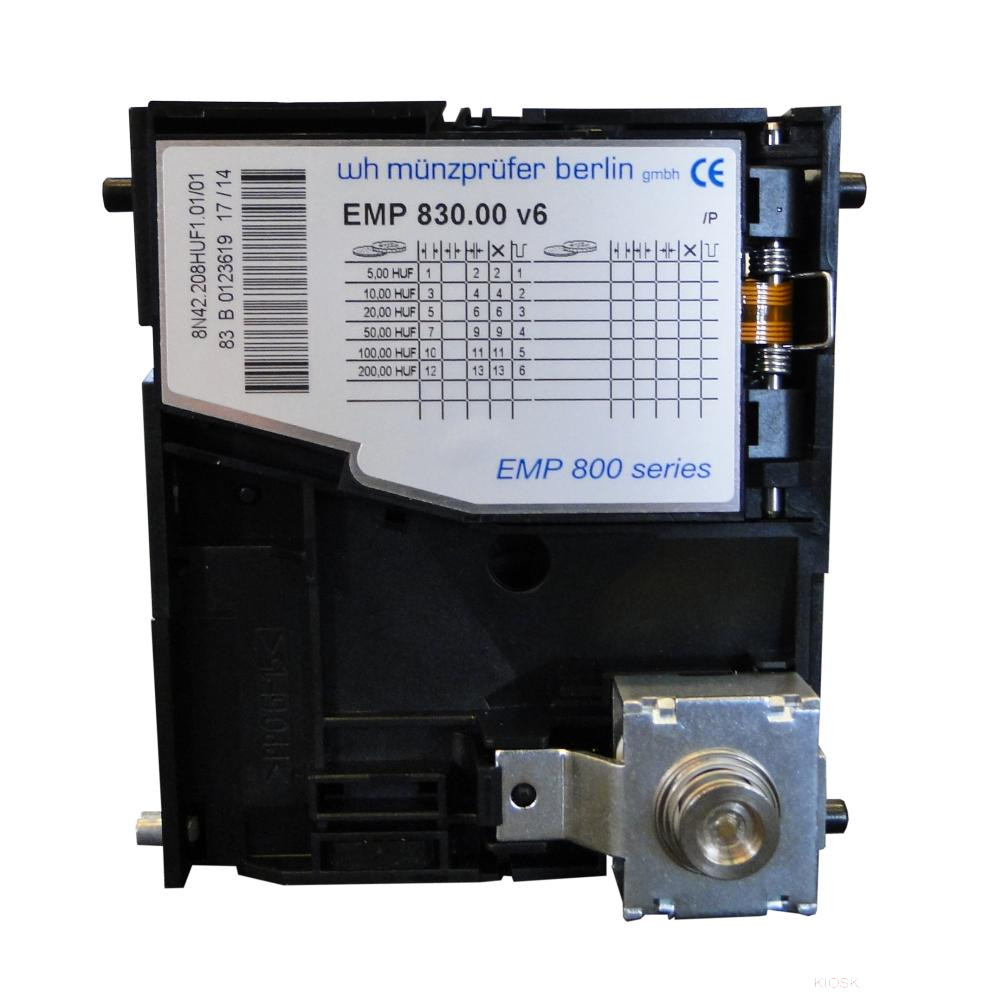
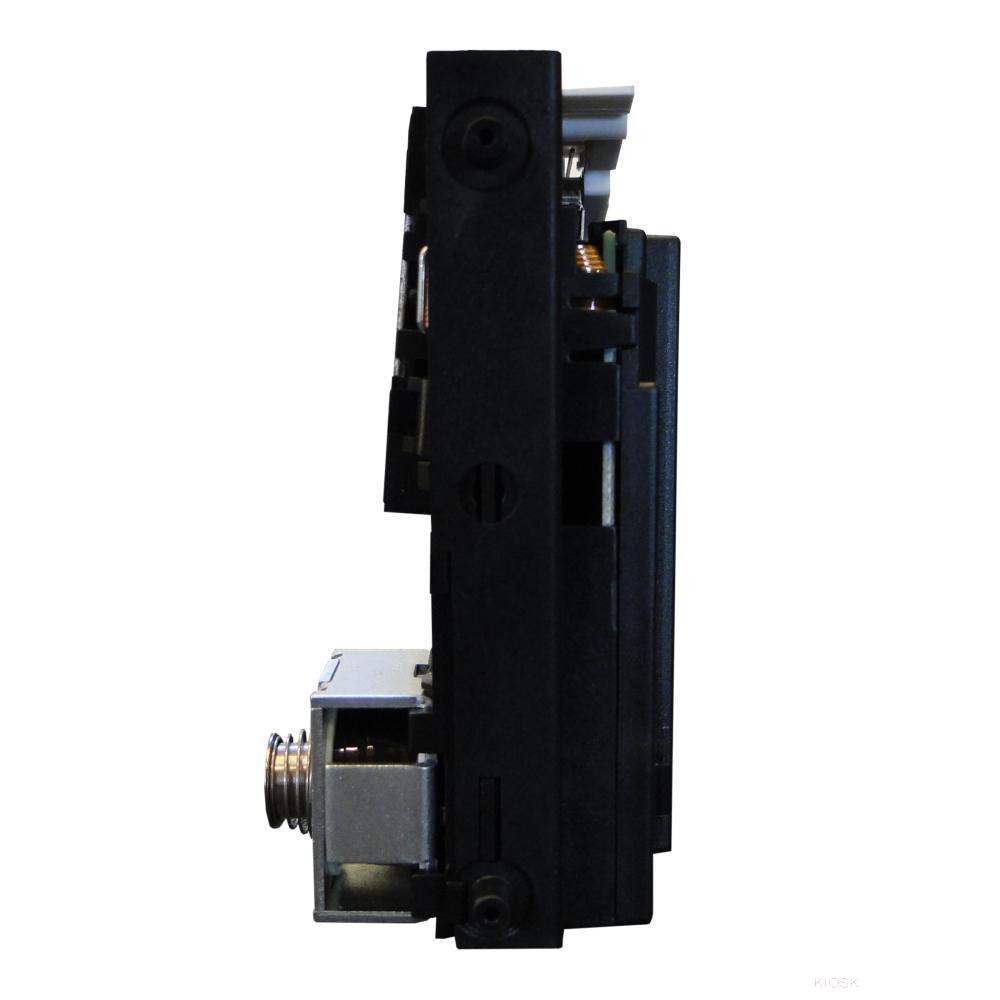
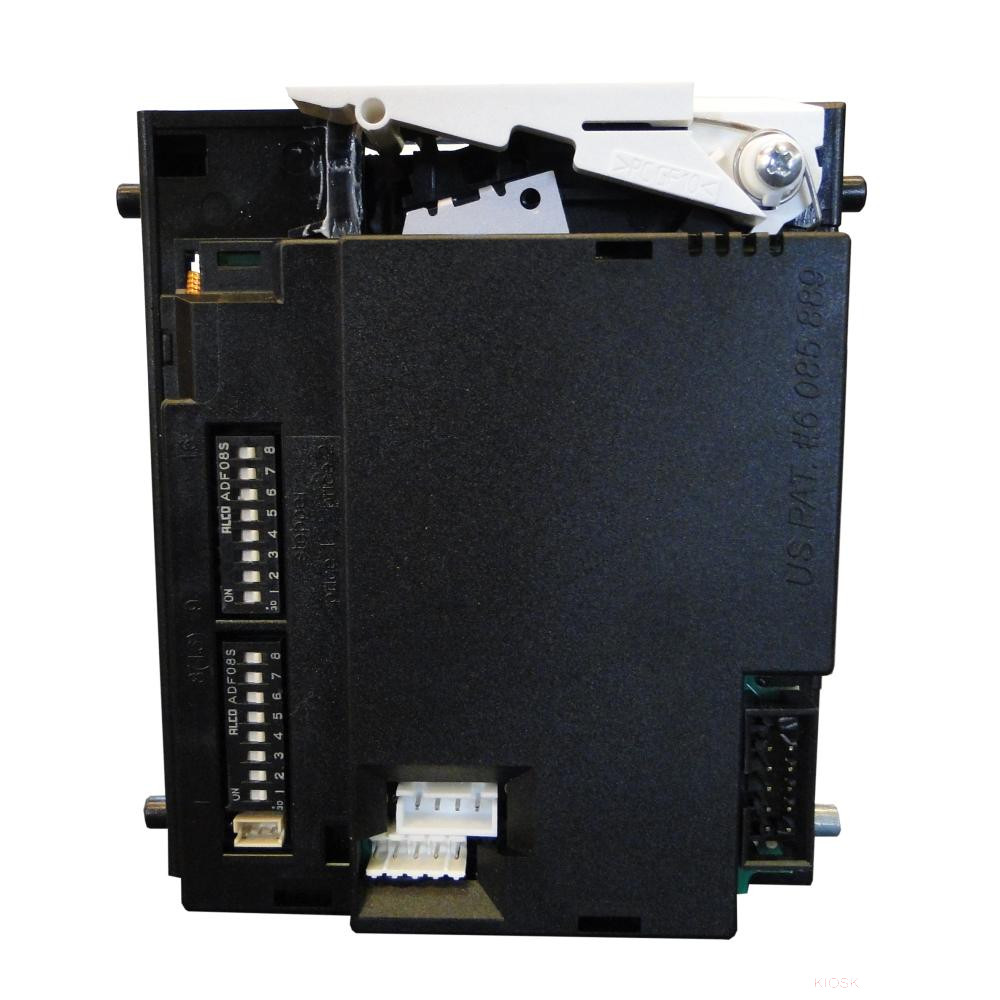
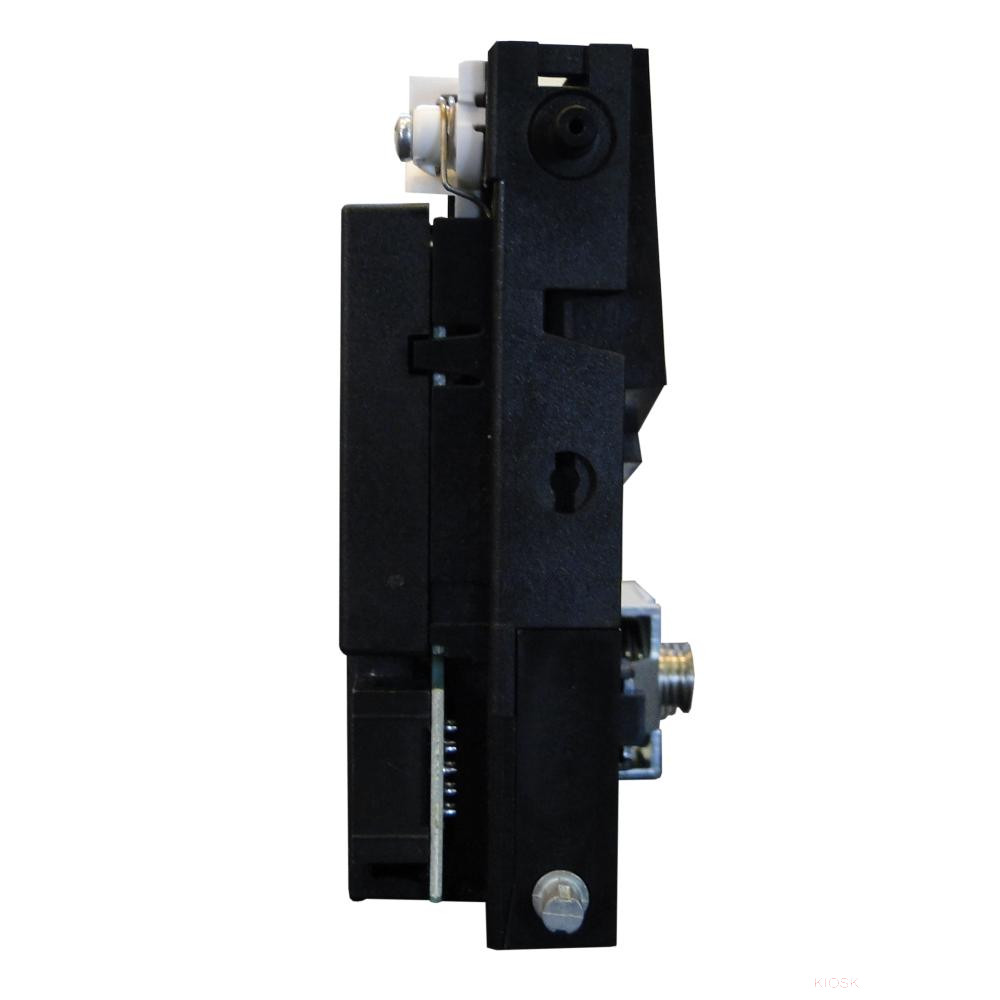
What are the EMP830v6 electronic coin selector USB (EMP 830, no front plate, front reject) technical specifications?
- acceptance rate: ~98%
- channels: 32 active channels, up to 16 coins or tokens
- max coin size: 32.5 × 3 mm
- temperature range: +10 °C to +70 °C, optionally -20 °C to +70 °C
- dimensions: 104 × 53 × 93.5 mm
- supply voltage: 10–26 V DC
- current consumption: 30–300 mA
- interfaces: USB, ccTalk, MDB, pulse; parallel option available
- mechanical version: EMP 830 – no front plate, for chassis integration, front reject
- typical use: parking, car wash, ticketing, self-service payment
What do you gain from 32-channel industrial coin validation?
32-channel logic helps you manage multiple denominations and token profiles with one validator, which is useful when different sites run different coin sets or when pricing has multiple steps. A high acceptance rate reduces disputes and unnecessary service calls, while keeping throughput stable so users do not queue at the coin entry.
How do USB and standard interfaces help integration and rollout?
USB is a practical way to configure and replicate settings, especially when deploying many identical stations. In addition, ccTalk, MDB and pulse allow you to match the validator to the communication method your controller already uses. This keeps logging and fault handling clearer, which typically shortens commissioning and reduces on-site tuning.
When is the no-front-plate, front-reject build the right fit?
If you integrate the validator into a chassis and your mechanical layout requires front-side reject handling, the structure helps you design a cleaner coin path. It also supports service access from the front, which is valuable when the device is installed in compact enclosures.
Selection criteria: what should you evaluate before ordering?
- interface choice: MDB, ccTalk, pulse or USB based on controller and setup workflow
- coin set: number of denominations/tokens and required spare capacity
- mechanical integration: chassis fit, front reject routing, coin path and entry design
- environment: temperature, dust, humidity and vibration; need for extended range
- operations: service access, cleaning routine, test coins and commissioning procedure
- system add-ons: sorter flaps, interim storage, entry shutter solutions
Keeping performance consistent: quality, local support and preventive maintenance
Reliable acceptance depends on more than the component itself: a clean coin path, correct mechanical alignment and stable power together deliver predictable behaviour. Preventive checks help you spot contamination, wear or cabling issues before downtime. For revenue-critical sites, plan for local service and a fast replacement workflow.
- cleaning: keep the entry area and coin path free of dust and residue
- checks: test with reference coins, monitor acceptance behaviour, keep logs
- operating discipline: stay within temperature range and ensure stable 10–26 V DC supply
- local technical support: diagnostics, configuration support and quick swap
Supply, shipping and commercial options for your project
In larger deployments, delivery timing and commercial terms are as important as specifications. Planned procurement reduces rollout risk and helps your field teams work with predictable schedules.
- stock availability and scheduled inbound deliveries for phased rollouts
- selectable shipping modes, customs handling and forwarding for electronics
- post-payment options, multi-currency invoicing and project-specific quotations
Add items to your interest list for later phases
If you are comparing multiple cash-handling components, add those that could also be useful in future upgrades. Put them in your interest list (cart) and send the list at the end of your visit—this speeds up alignment on interface, mechanical fit and delivery terms.
FAQ
Why do 32 channels and up to 16 coins/tokens matter?
It lets you manage more denominations or token profiles in one unit and makes future expansions easier without redesigning the coin validation layer.
What do industrial coin validators typically offer beyond entry-level devices?
They are usually built for higher load, more consistent validation with worn coins, wider interface options and more scalable configuration workflows.
What should you verify during commissioning to avoid unwanted rejections?
Check power stability, mechanical alignment and coin path cleanliness, then test multiple coin conditions and log acceptance events.
How can you reduce downtime over time?
Use a scheduled cleaning routine, local service readiness, fast swap capability and consistent compliance with operating conditions.