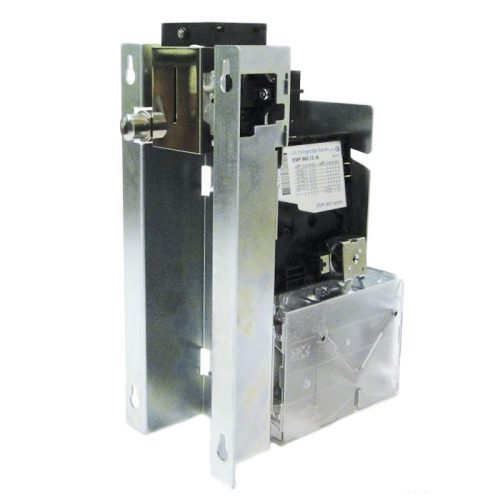
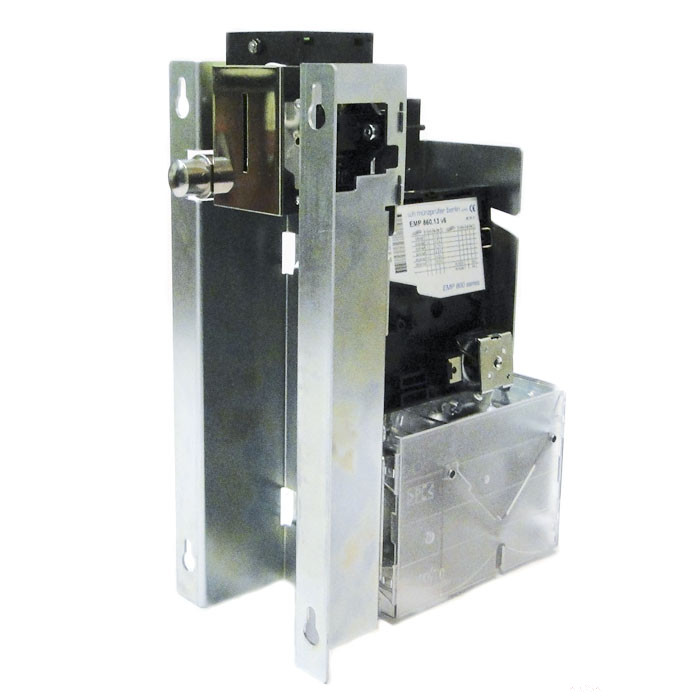
What are the technical characteristics of the CH801CHASSIS CH 800 series coin chassis / mounting frame?
- type: coin module mounting frame / mechanical chassis
- purpose: stable fixation, repeatable positioning, easier service access
- integration context: industrial cash‑handling setups (e.g., MDB, ccTalk environments)
- typical use: self‑service terminals, ticketing and payment machines, parking systems
- benefit: reduced installation time and improved reliability under frequent service cycles
Why use an industrial mounting frame for coin handling?
If a cash‑handling module is mounted loosely, vibration, door cycles and maintenance can cause misalignment, intermittent contacts or increased mechanical wear. The CH801CHASSIS helps you standardize installation: mounting points are consistent, the module sits in a stable position, and technicians can service it faster. That typically reduces downtime and supports predictable performance in high‑throughput environments.
How does it improve integration and serviceability?
- standardized mechanical interface: fewer custom brackets and easier documentation
- faster module removal: simpler inspection, cleaning and replacement
- safer cable routing: lower risk of strain and connector damage
- durable fit: helps prevent gradual shifts that can trigger intermittent issues
Selection criteria: what to check before choosing a chassis
- mechanical compatibility: cut‑out, mounting points and depth clearance
- service access: quick removal, cleaning and inspection paths
- environmental load: vibration, dust, humidity and temperature swings
- cable management: protected, tidy routing and strain relief
- system compatibility: industrial protocols (MDB, ccTalk) when required by the full cash chain
Why quality, local technical support and maintenance matter?
In cash systems, mechanics and mounting are as critical as electronics. A stable chassis reduces mechanical stress and helps modules hold their settings longer. Local technical support becomes valuable when you need fast diagnostics, integration advice or parts coordination. Regular maintenance (cleaning, checking fasteners and connectors) helps prevent deposits and intermittent faults in the coin path.
Operating conditions to keep under control
- manage dust and humidity to reduce contamination and wear
- use rigid mounting surfaces and proper cable strain relief
- plan access for service—fast service often beats minimal footprint
Procurement and commercial options that help in projects
- local stock availability for critical components
- timed inbound deliveries aligned to installation schedules
- selectable shipping methods plus customs clearance and freight coordination
- post‑payment options and flexible commercial terms
- foreign‑currency invoicing when needed
- project‑tailored quotations based on technical requirements
CTA: build an interest list for the next step
If there are multiple cash‑handling items you may need beyond your current project, add them to your interest list (cart) now. At the end of your visit, send the list in one go to speed up feedback on compatibility, availability and options that fit your technical scope.
FAQ
What does an industrial mounting frame add versus a generic bracket?
It provides a more durable fixation, repeatable positioning and faster service access, which can reduce downtime in high‑duty cash systems.
Where is this type of chassis typically used?
In self‑service terminals, ticketing and payment machines, parking solutions and other environments requiring maintainable coin handling.
Why does standardized mounting help maintenance?
Consistent mounting points and access paths speed up replacement and inspection, reducing the chance of hidden intermittent contacts or gradual misalignment.
What capabilities are common in industrial coin‑handling environments?
Service‑friendly modular design, support for industrial protocols such as MDB and ccTalk, and mechanical accessories aimed at stable operation over high cycle counts.