What are the technical specifications of the JCM 900 notes capacity UBA cashbox?
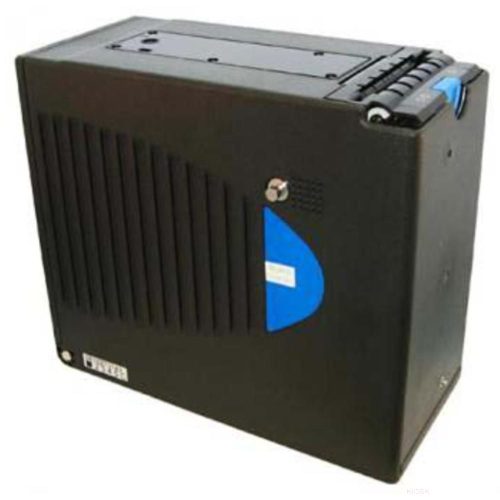
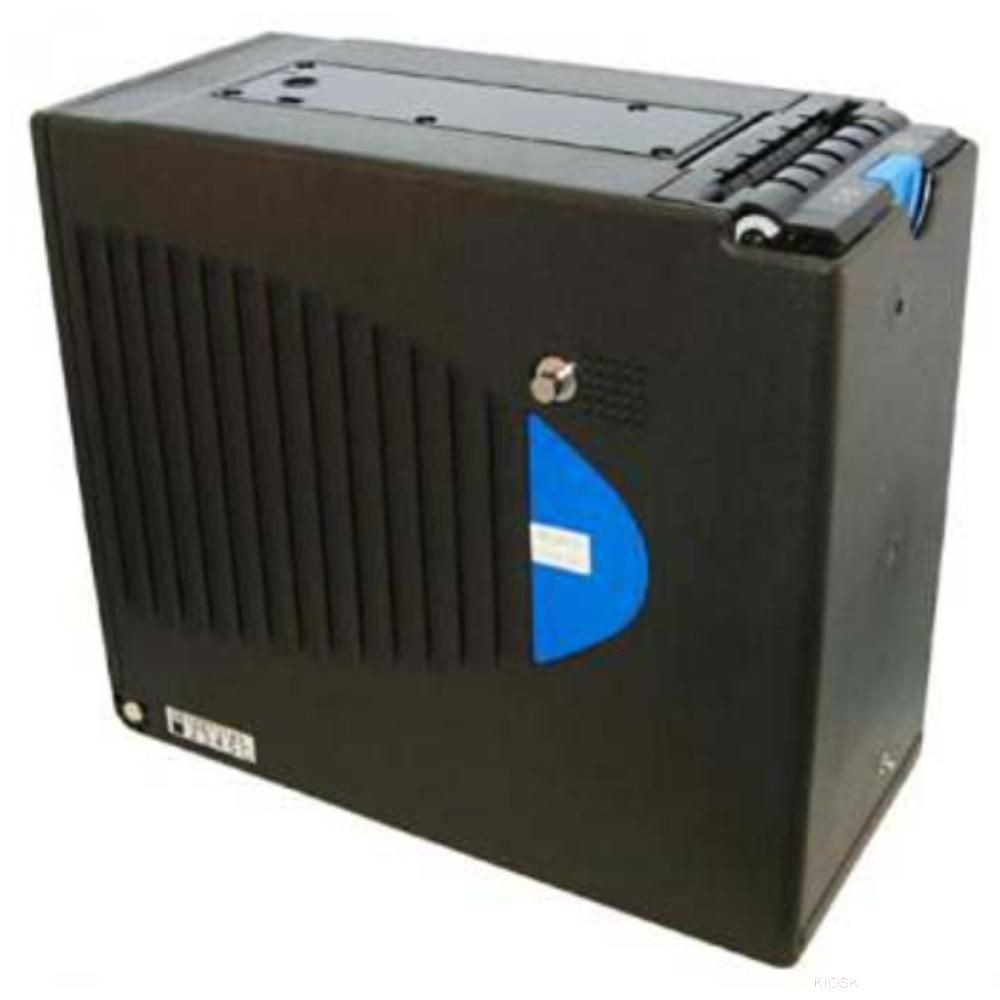
- product name: JCM 900 notes capacity UBA cashbox
- sku: 47200324
- type: uba cash box / banknote collection cassette
- capacity: 900 banknotes
- housing: durable, resistant quality plastic enclosure
- handling: supplied with a carry handle for fast transport and swap routines
- weight: 1.48 kg / unit
When should you choose a 900-note uba cashbox?
choose a high-capacity cashbox when you need predictable cash collection with quick emptying and repeatable cash logistics. the JCM 900 notes capacity UBA cashbox is meant to keep banknotes organized in a removable cassette, so collection and transport can follow a standard procedure. the handle shortens service time during swaps, and the sturdy plastic housing supports intensive daily use in industrial environments where uptime, auditability, and controlled cash storage are key.
How does it help with fast service workflows and audit routines?
cassette-based cash collection lets you swap the full unit quickly and keep the system running. a typical process is simple: insert an empty cassette, then move the filled one to a secure counting or storage point. this supports consistent documentation and makes multi-site operations easier, especially when you want standardized service steps across locations and teams.
What operating conditions should you maintain for long-term reliability?
- keep the environment clean: dust and sticky residues can degrade long-term stability of mechanical parts.
- define a fixed swap and emptying protocol: removal, transport, secure storage, and reconciliation.
- schedule regular maintenance: inspection, mechanical checks, and verification of mounting points.
- protect the physical chain of custody: controlled handling and access rules reduce risk and errors.
Selection criteria: what to check before you buy
- capacity: is 900 notes enough for peak cycles without intermediate emptying?
- logistics: do you need spare cassettes for rapid swaps and continuous operation?
- process control: do you have a defined reconciliation, storage, and access procedure?
- load profile: expected daily transaction volume and tolerance for downtime.
- service approach: do you require local technical support and fast spare availability?
How to build quality, support, and financing into your rollout
in industrial cash handling, “quality” shows up as predictable processes: fewer unplanned stops, cleaner audits, and shorter service time. that requires not only the right hardware, but also local technical support and consistent maintenance discipline.
- local technical support and service: faster fault isolation, repairs, and swap-unit management.
- scheduled maintenance: planned checks and documented condition status.
- operational discipline: follow handling and storage rules to extend service life.
- stock availability: keep safety stock for critical items to protect uptime.
- scheduled inbound delivery: align deliveries to project milestones.
- selectable shipping methods: optimize cost versus lead time.
- customs clearance and freight handling: reduce lead-time risk and admin workload.
- post-payment options: improved cash-flow for contracted partners.
- foreign-currency invoicing: smoother finance operations for international rollouts.
- project-specific quotations: tuned to volumes, timing, and logistics requirements.
Cta: how to collect items for your interest list
when you spot components that could be useful beyond your current project, add them to your interest list (cart). at the end of your visit, send the list to receive a fast response on availability, shipping options, and a proposal aligned to your rollout plan. this keeps procurement flexible without losing track of promising parts.
FAQ
why choose an industrial cashbox over generic solutions?
industrial designs typically provide more robust mechanical structure, stable fitment, and repeatable handling routines—supporting higher uptime and faster swap procedures under heavy daily load.
how does higher capacity improve cash logistics?
higher capacity means fewer site interventions, which helps plan reconciliation and transport while lowering service frequency during peak periods.
how should compatibility be described for voice and snippet results?
state clearly that the cassette is used together with a banknote acceptance unit, and highlight the most decision-critical facts: capacity, weight, and fast handling features like the carry handle.
which capabilities are commonly expected in industrial cash handling environments?
common expectations include modular swap-friendly construction, durable materials, and a documentable reconciliation workflow—features often missing from non-industrial devices.