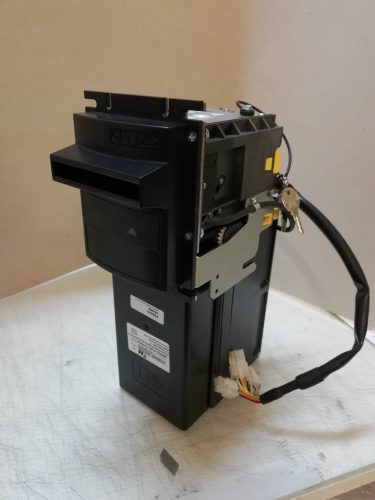
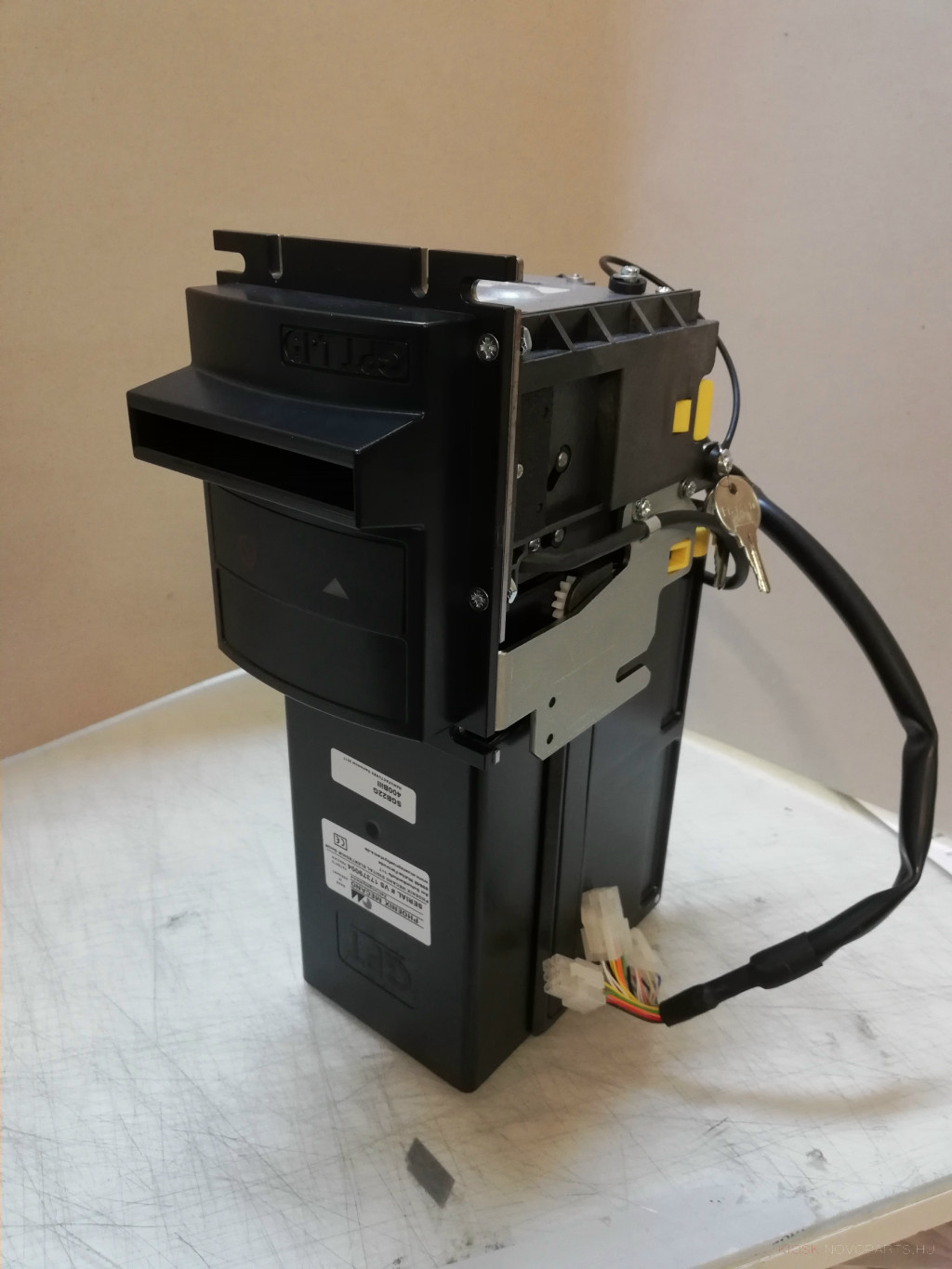
What are the technical specifications of the GPT Falcon 12V bill acceptor, SGB22 (400b) stacker, HUF, MDB (item number: 327G22214151)?
- product name: gpt falcon 12v bill acceptor, sgb22 (400b) stacker, huf, mdb
- product type: bill acceptor with sgb22 (400b) stacker
- currency: huf
- data interface: mdb
- application: vending machines
- operation: acceptance
- operating conditions: indoor 10–40°c
- weight: 2.23 kg/pc
- note: designed primarily for indoor use; for outdoor installation, regulate the internal cabinet temperature
When should you choose an mdb bill acceptor for vending deployments?
Choose an MDB-connected bill acceptor when you want a widely used industrial interface that supports repeatable integration across multiple machine builds. MDB helps standardize wiring and controller-side communication, which reduces commissioning friction and supports easier spare management. For local cash workflows, having huf configuration aligned from the start lowers the risk of setup mistakes and keeps service actions more consistent across a fleet.
How does a stacker support daily cash collection and auditability?
A stacker stores accepted banknotes in an orderly, enclosed way, supporting consistent collection routines and faster counting workflows. Under higher traffic, this reduces handling time and improves predictability when you plan emptying cycles. It is also important that service access is straightforward, so cleaning and module replacement can be performed without disturbing the note path or stressing internal cabling.
What should you plan for during installation and environmental control?
Temperature and enclosure design
Staying within indoor 10–40°c helps keep acceptance stability more consistent. In variable environments, plan cabinet ventilation and temperature regulation to avoid condensation and rapid temperature swings, because moisture and fluctuating conditions can trigger false rejects and operational interruptions in cash modules.
Power stability and noise-aware routing
Stable power and structured cable routing are key to continuous operation. If the enclosure includes motors, relays or a printer, separate noisy loads where possible and periodically check connector retention. This lowers the probability of intermittent communication issues and hard-to-trace field failures.
Selection criteria: a practical checklist for choosing a bill acceptor
- interface fit: does it match your controller (here: mdb)
- currency setup: huf handling and configuration method
- stacker workflow: do you need orderly storage and what emptying cycle is expected
- operating environment: temperature and humidity control at the site
- traffic profile: peak volume and acceptable user waiting time
- serviceability: quick access for cleaning, module swap and diagnostics
Quality, preventive maintenance and local technical support
- schedule preventive cleaning of the note path and sensor area, because dust and deposits reduce acceptance stability.
- keep conditions aligned to the recommended environment and avoid situations that can cause condensation.
- maintain a service log with events and fault codes so troubleshooting stays faster and more consistent.
- use local technical support and workshop service capability to shorten downtime and keep maintenance windows predictable.
Which procurement and financing options help your rollout?
- stock availability and scheduled inbound delivery aligned with installation milestones
- selectable shipping methods, customs handling and freight forwarding when needed
- post-payment terms and invoicing in foreign currency to fit corporate finance processes
- project-tailored quotations when you plan multiple units and spare parts together
CTA: add it to your interest list and send the list at the end of your visit
Add the GPT Falcon 12V bill acceptor, SGB22 (400b) stacker, HUF, MDB to your interest list and collect any accessories that could be useful for future expansions or service work. Send the list at the end of your visit so we can align the mdb integration, site environment, delivery options and payment terms in one step, and you receive a quotation tailored to your project scope.
- share controller-side mdb requirements and your logging expectations
- estimate daily transaction volume and planned emptying intervals
- tell us if you want a spare unit for rapid restoration
FAQ
Why is MDB useful for cash peripherals?
Because it is widely used in industrial environments, making integration and fleet standardization easier across multiple machine designs.
What does a stacker add to banknote handling?
It provides orderly, enclosed storage and a consistent collection routine, helping reduce handling errors under higher traffic.
Why does temperature control matter in variable environments?
Because rapid changes and condensation can cause false rejects and interruptions, so regulating the cabinet climate supports stable operation.
How do industrial bill acceptors differ from entry-level devices?
They are typically designed for higher duty cycles, more consistent recognition and serviceable integration, which helps reduce downtime over time.