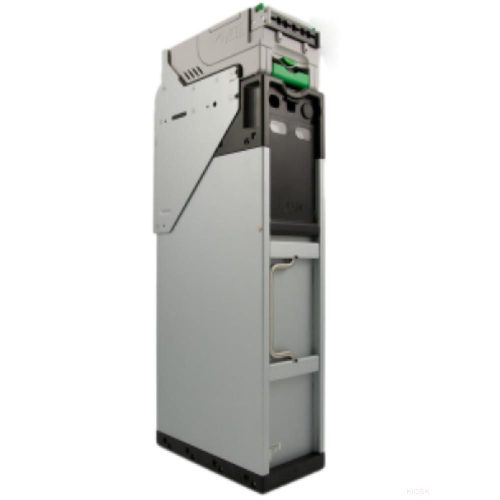
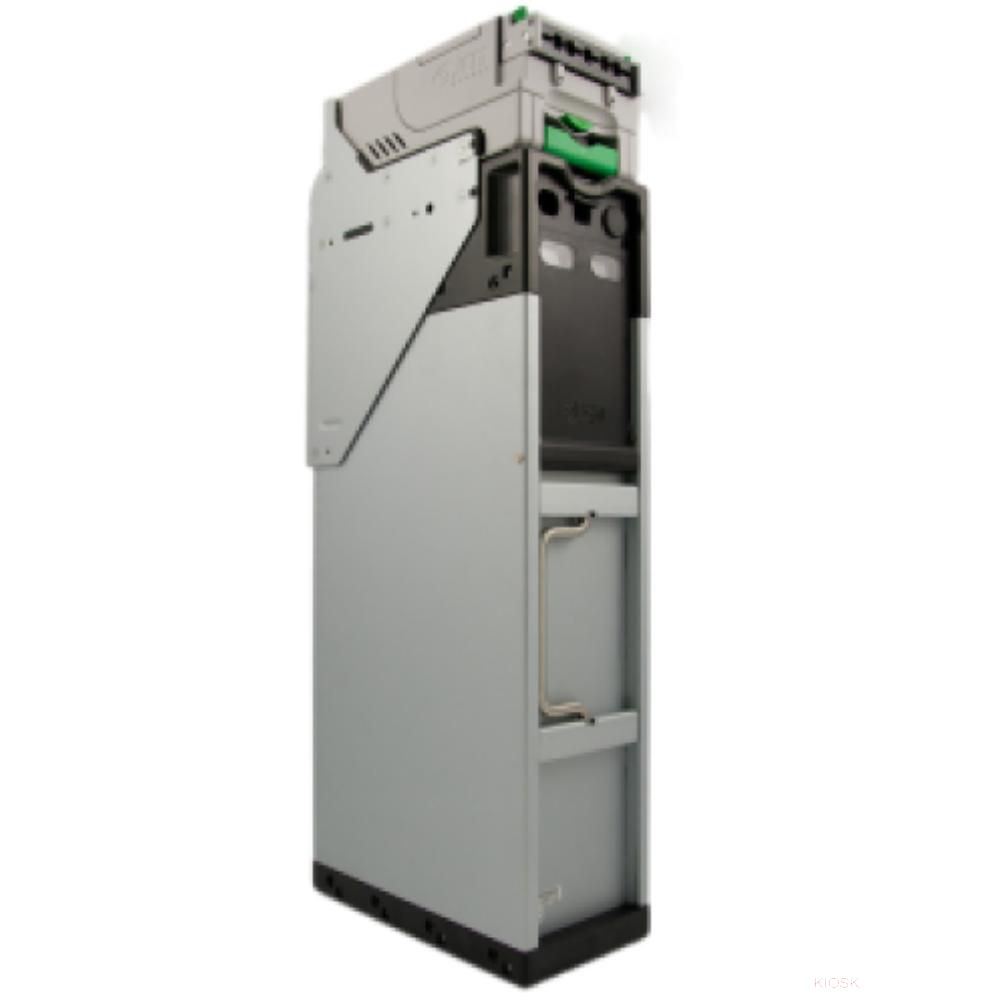
What are the technical characteristics of the JCM iVizion-100-HC w/ if harness open end?
- acceptance rate: 99% or greater
- note size: width 60–85 mm; length 110–177 mm (hc variant)
- insertion: four‑way for banknotes
- processing time: ~2 s from insertion to vend signal; ~3 s to complete stacking
- escrow: 1 note
- cashbox: hc, up to 3000 banknotes (may vary with note quality)
- protocols: id-003, oem serial, ccTalk
- interfaces: USB, RS232, photocoupler; with if harness open end lead-out
- power: 12 V dc (-5%) to 24 V dc (+10%)
- environment: operating 5–50 °C; 15–85% RH (non‑condensing)
Where does a high-capacity banknote validator add the most value?
A high‑capacity validator is a strong fit when transaction peaks, continuous operation and quick customer throughput are all required. The HC cashbox on the JCM iVizion-100-HC w/ if harness open end helps reduce emptying frequency, making service routes more predictable and reducing interruptions during busy periods. Image‑based sensing and optical validation support stable first‑time acceptance and tighter cash handling discipline.
How do four-way insertion and 1-note escrow improve payment flow?
Four‑way insertion reduces user friction because notes do not need a single “correct” orientation, which speeds up deposits and lowers the need for re‑insertion. 1‑note escrow lets your system confirm a note only when the transaction logic is ready—for example after a service step is confirmed—supporting cleaner reconciliation and fewer disputed payments.
What should you plan for interfaces, wiring, and controller integration?
Protocol fit and diagnostics
With id-003, oem serial, and ccTalk options you can implement richer states and events. Log events and error conditions on the controller side to shorten on‑site troubleshooting. USB and RS232 options, plus photocoupler wiring approaches, help match different controller platforms, while the if harness open end supports flexible termination into your own harness.
Power stability and serviceability
The 12–24 V dc supply range simplifies system power design, but stable grounding, wiring discipline, and headroom still matter. Voltage drops and connector issues can increase downtime risk. Plan access to connectors and mounting so technicians can inspect, clean, and swap units quickly.
Selection criteria checklist for procurement
- expected daily and peak transaction count, and how important fewer emptying cycles are
- whether the 3000‑note HC cashbox is required or a smaller capacity is sufficient
- controller protocol choice: id-003, oem serial, or ccTalk
- target interface: USB, RS232, photocoupler, and whether open-end harnessing is needed
- note size range fit: 60–85 mm width and 110–177 mm length
- operating conditions: temperature, dust, humidity, and access for cleaning
- availability plan: spare unit strategy for critical locations
How do quality, local technical support, and routine maintenance protect revenue?
A high‑traffic cash acceptance module directly affects revenue. Increased rejection, a contaminated note path, or poor wiring immediately slows payments. Following proper operating conditions (clean environment, secure mounting, orderly wiring) supports predictable performance. Local technical support and a clear service path matter because fast diagnosis, cleaning, and replacement can significantly reduce outages.
- integration support for protocols, event handling, and wiring
- service and bench testing when acceptance or speed fluctuates
- preventive routine: note-path cleaning, optical surface checks, connector inspection
- update discipline: firmware/configuration tracking and controlled rollout
Which supply and financing options help in project delivery?
- warehouse stock: faster starts and rapid replacement at critical sites
- scheduled inbound deliveries: aligned with deployment milestones
- selectable shipping modes: optimize lead time vs. cost
- customs clearance and forwarding: smoother cross‑border purchasing
- post‑payment options: more predictable cash flow
- invoicing in foreign currency: project-aligned administration
- project‑tailored quotations: based on volume, schedule, and configuration
CTA – save what you may need later
Add the JCM iVizion-100-HC w/ if harness open end and any accessories you might reuse in future builds to your interest list (cart) even if you are still comparing options. At the end of your visit, send the list and we’ll reply with compatibility notes, expected delivery, and purchasing/payment options that match your implementation plan.
FAQ – common questions about high-capacity banknote validators
Why does 3000-note capacity matter in high traffic?
It reduces emptying frequency and makes service routing more predictable, which can help maintain availability during peak periods.
How does 1-note escrow help manage transactions?
It lets your system confirm a note only when the payment flow is ready, supporting cleaner reconciliation and fewer disputed payments.
Why are multiple protocols useful in long-life deployments?
They improve compatibility with different controller platforms and maintenance strategies, while richer event handling speeds up diagnostics.
What industrial capabilities are often missing from basic cash devices?
Sealed note paths against contamination, stronger sensing and state reporting, and service-friendly designs that support continuous operation.